

Choosing where to upgrade insulation can be confusing for Alberta homeowners.
Attics, basements, and walls all play a role in keeping your home warm, energy-efficient, and comfortable during long winters, but they don’t all deliver the same results for the same cost.
With rising heating bills and fluctuating energy prices, many homeowners want to know which insulation upgrade will make the biggest difference first—without overspending or taking on unnecessary renovations.
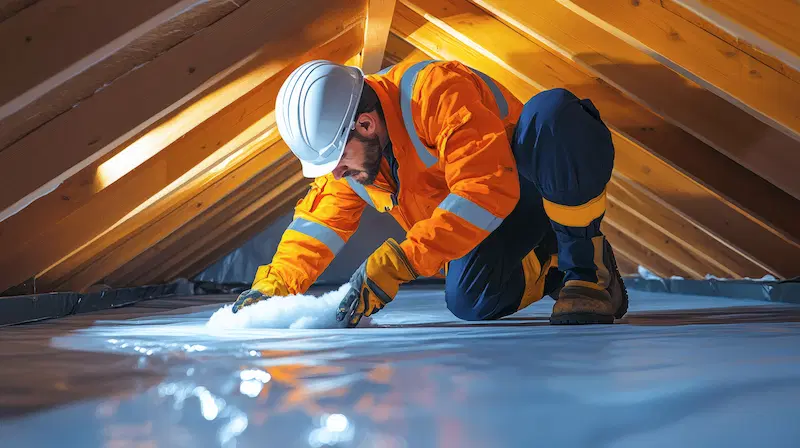
For most Alberta homes, the best place to start is the attic, followed by the basement, with wall insulation typically upgraded last. Heat rises, and in cold climates like Alberta, a poorly insulated attic allows a significant amount of warm air to escape. Attic insulation offers the highest energy savings for the lowest cost, while basement insulation improves comfort and reduces heat loss through concrete foundations. Wall insulation, although important, is usually more expensive and disruptive, making it a better choice during major renovations or after attic and basement upgrades are completed.
Good insulation is critical in Alberta because of its extreme temperature swings. But it is also important for a practical reason – heating costs.
Explore your best options with tailored recommendations from our insulation partners. Complete the short online form on this page to receive FREE and NO-OBLIGATION quotes.
Why Insulation Priorities Matter in Alberta
Alberta experiences some of the most extreme temperature swings in Canada. Long, cold winters, strong winds, and freeze-thaw cycles put constant pressure on a home’s thermal envelope.
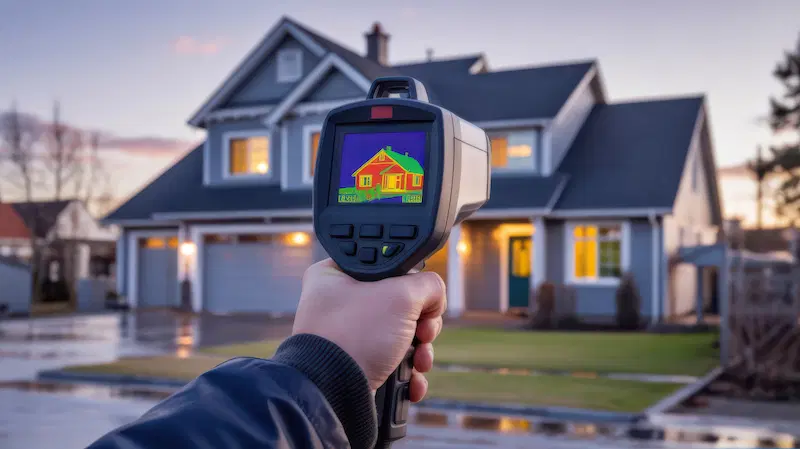
Poor insulation can lead to:
- High heating bills
- Cold rooms and uneven temperatures
- Ice dams and roof damage
- Moisture problems and mold risk
- Premature HVAC wear
Because insulation upgrades require an investment, prioritizing the right area first ensures you get the fastest payback and the most noticeable comfort improvements.
Why Insulation Priorities Matter in Alberta
Before deciding which area to insulate first, it helps to understand how heat actually escapes from a home.
In Alberta’s cold climate, heat loss isn’t evenly distributed; some parts of a house allow warm air to escape much faster than others.
Factors like rising warm air, temperature differences between indoors and outdoors, and air leakage, all play a role in where your home loses the most energy. Understanding these patterns makes it easier to prioritize insulation upgrades that deliver the biggest impact on comfort and heating costs.
Understanding heat movement explains why upgrade order matters.
Heat Loss Breakdown (Approximate)
- Attic / Roof: 25–35%
- Basement / Foundation: 15–25%
- Walls: 15–20%
- Windows, doors, air leaks: Remaining percentage
Warm air naturally rises. If your attic insulation is inadequate, your furnace is constantly reheating air that escapes straight through the ceiling. This makes attic insulation the most impactful first upgrade in most Alberta homes.
Why Insulation Priorities Matter in Alberta
Why does Attic Insulation Come First?
Attic insulation offers the best combination of low cost, high energy savings, and minimal disruption.
Consider these key benefits:
- Immediate reduction in heat loss
- Lower heating bills
- Improved comfort throughout the house
- Reduced ice dam risk
- Quick installation (often 1 day)
For many Alberta homeowners, upgrading attic insulation can reduce heating costs by 15–25%.
Recommended Attic Insulation Levels in Alberta
Most Alberta building standards and energy advisors recommend:
- R-50 to R-60 for attics
Many older homes have only R-20 to R-30, making them ideal candidates for an upgrade.
Attic Insulation Options to Consider
When upgrading attic insulation, choosing the right material is just as important as reaching the recommended R-value.
Alberta’s cold winters, dry climate, and large temperature swings place unique demands on attic insulation, particularly in terms of heat retention, air sealing, and moisture control. The most common attic insulation options used across Alberta each have distinct advantages, costs, and ideal use cases.
Understanding these options will help homeowners compare insulation quotes more effectively and avoid paying for materials that may not be necessary for their specific home.
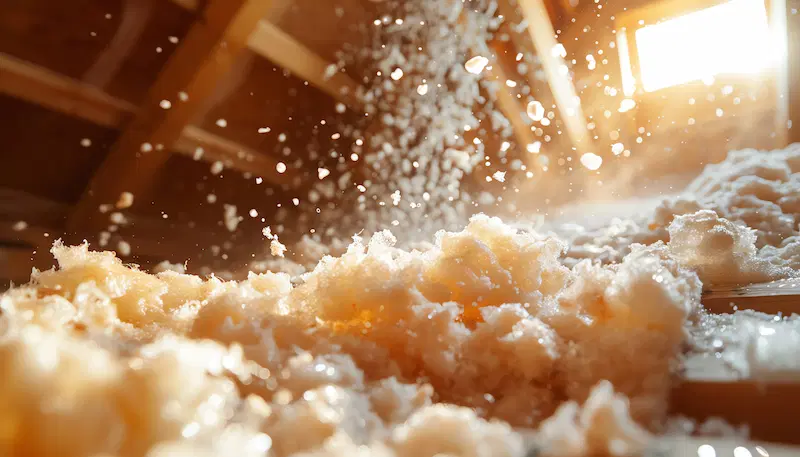
Blown-In Cellulose Insulation
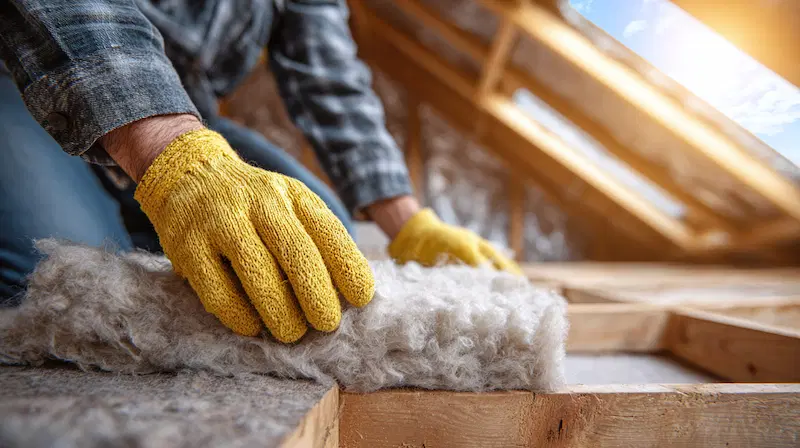
Blown-in cellulose is one of the most popular attic insulation options in Alberta, especially for older homes that need an insulation top-up.
Cellulose insulation is made from recycled paper products treated with fire-retardant and pest-resistant additives. It is installed using specialized equipment that blows the material evenly across the attic floor.
Why Alberta homeowners choose it:
- Fills gaps and irregular spaces effectively
- Provides good air-sealing performance
- Performs well in cold climates
- Environmentally friendly option
Best for:
- Older homes with uneven joist spacing
- Attics with existing insulation that need topping up
- Homeowners looking for strong performance at a lower cost
Considerations:
- Can settle slightly over time
- Must be installed at the correct depth to maintain R-value
- Requires proper attic ventilation to manage moisture
Typical R-value: Approximately R-3.5 to R-3.8 per inch
Blown-In Fiberglass Insulation
Blown-in fiberglass is another common attic insulation choice, particularly in newer Alberta homes.
Made from fine glass fibers, blown-in fiberglass insulation is lightweight and non-combustible. It is installed in a similar way to cellulose, using blowing equipment to distribute the material evenly.
Why Alberta homeowners choose it:
- Resistant to moisture and mold
- Does not settle as much as cellulose
- Lightweight, reducing ceiling load
- Widely available and consistent in quality
Best for:
- Newer homes
- Homes with good air sealing already in place
- Attics where moisture resistance is a priority
Considerations:
- Less effective at air sealing than cellulose
- Performance depends heavily on proper installation
- May require additional air sealing before installation
Typical R-value: Approximately R-2.5 to R-2.8 per inch
Spray Foam Insulation (Selective Attic Use)
Spray foam insulation is less commonly used to insulate entire attic floors due to cost, but it plays an important role in many Alberta homes when used strategically.
Spray foam expands on contact, creating an airtight and moisture-resistant barrier. It comes in open-cell and closed-cell varieties, with closed-cell providing a higher R-value and vapor barrier.
Why Alberta homeowners choose it:
- Excellent air sealing
- High R-value per inch
- Helps control moisture and condensation
- Ideal for sealing problem areas
Best for:
- Sealing attic penetrations, hatches, and top plates
- Rim joists and knee walls
- Homes with significant air leakage issues
Considerations:
- Higher cost than blown-in insulation
- Usually combined with blown-in insulation rather than used alone
- Requires professional installation
Typical R-value:
- Open-cell: ~R-3.5 to R-4 per inch
- Closed-cell: ~R-6 to R-7 per inch
Mineral Wool (Rockwool) Attic Insulation
Mineral wool, also known as Rockwool, is less common in attics but still used in certain Alberta homes.
It is made from spun stone or slag fibers and is naturally fire-resistant and moisture-resistant.
Why Alberta homeowners choose it:
- Excellent fire resistance
- Good sound-dampening properties
- Resistant to mold and moisture
- Stable R-value over time
Best for:
- Attics requiring enhanced fire protection
- Homes near high-risk fire zones
- Homeowners prioritizing durability over cost
Considerations:
- More expensive than blown-in options
- Less commonly installed in loose-fill form
- Limited availability in some regions
Typical R-value: Approximately R-3.0 to R-3.3 per inch
Which Attic Insulation Option Is Best?
For most Alberta homeowners:
- Blown-in cellulose offers the best balance of cost, performance, and air sealing.
- Blown-in fiberglass is a strong option for newer homes with good air sealing.
- Spray foam is best used selectively for air sealing rather than full attic coverage.
- Mineral wool is a niche option for specific safety or durability needs.
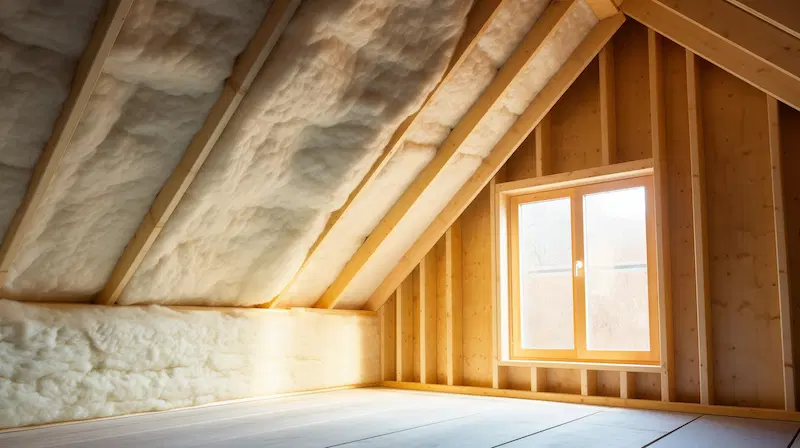
A qualified insulation contractor can assess your attic’s current insulation, ventilation, and air leakage to recommend the most cost-effective solution.
Connect with our insulation partners today to get the best solutions to your needs!
Simply fill out the short online form on this page at no cost.
Why Installation Quality Matters More Than Material
Even the best insulation material will underperform if installed incorrectly. Common issues include:
- Uneven coverage
- Insufficient depth
- Blocked ventilation baffles
- Poor air sealing around attic penetrations
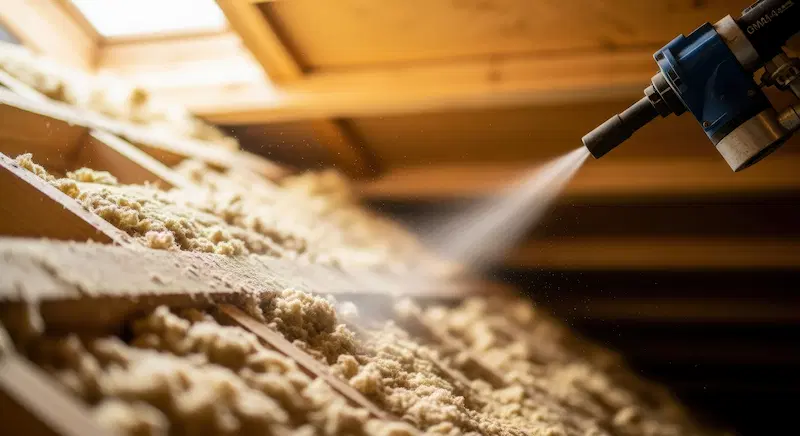
When comparing insulation quotes, Alberta homeowners should look beyond price and confirm that contractors:
- Meet recommended R-values
- Address air sealing before installation
- Ensure proper attic ventilation
- Provide clear scope of work and warranties
Blown-in cellulose
- Cost-effective
- Excellent air-sealing properties
- Ideal for topping up existing insulation
Blown-in fiberglass
- Lightweight
- Moisture-resistant
- Common in newer homes
Spray foam (less common for full attics)
- High R-value per inch
- Excellent air seal
- Higher cost, often used selectively
Think about hiring a professional insulation contractor from our network to protect your investment and get the best value for your money.
Average Attic Insulation Costs in Alberta
Understanding the cost of insulation in Alberta isn’t as simple as looking at a price per square foot.
Insulation pricing can vary widely depending on the area of the home being upgraded, the type of insulation used, access conditions, and the level of performance required to handle Alberta’s extreme winters. Two homes of similar size can receive vastly different quotes, leaving many homeowners unsure whether they’re getting a fair price, or the right solution.
| Type of Insulation | Average Cost per Sq. Ft. |
| Blown-in Cellulose | $1.50 – $2.50 |
| Blown-in Fibreglass | $1.75 – $3.00 |
| Spray Foam (Open cell) | $3.50-$6.00 |
*Prices vary based on access, attic condition, and required R-value.
When Should Attic Insulation Be Your First Priority?
If your home feels cold despite high heating bills, there’s a strong chance the problem is not your furnace but your attic.
In Alberta’s climate, the attic is the single largest escape route for warm air, and even small insulation gaps can lead to major heat loss. Many homeowners focus on visible upgrades like windows or walls, but neglect attic insulation which leads to lost heat and high heating bills.
Attic insulation should be your top priority when existing insulation levels fall below recommended standards, comfort issues persist on upper floors, or signs like ice dams and uneven snow melt appear on the roof.
Because attic upgrades deliver the fastest return on investment and can often be completed in a single day, they are typically the most effective first step for improving energy efficiency, comfort, and overall home performance in Alberta.
When Should Attic Insulation Be Your First Priority?
Why is Basement Insulation the next priority?
Basements are often overlooked, but they account for a significant portion of heat loss, especially in Alberta, where frozen ground and cold air affect foundation walls.
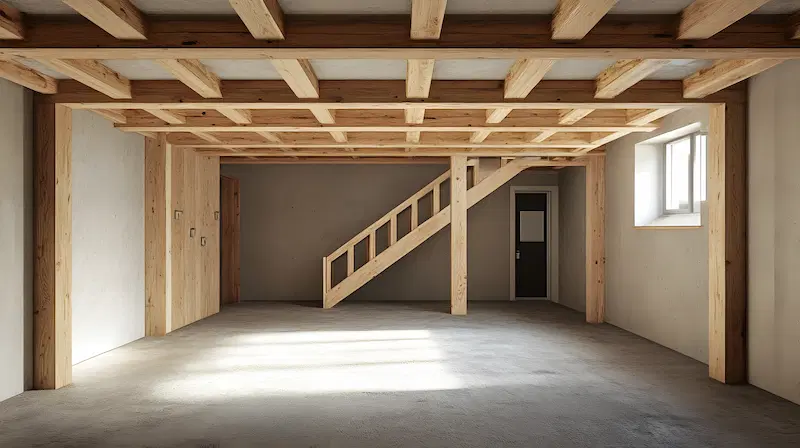
Insulating the basement helps:
- Reduce heat loss through concrete
- Eliminate cold floors above
- Improve overall comfort
- Protect against moisture and condensation
Basement insulation comes next because once attic heat loss is controlled, the foundation becomes the biggest remaining drain on your home’s warmth. Uninsulated basement walls and rim joists pull heat out of the house, leaving floors cold and forcing your heating system to work harder.
By insulating the basement, Alberta homeowners lock in the gains from attic upgrades, improve comfort on the main floor, and reduce long-term heating costs—making it the clear second priority before tackling wall insulation.
Basement Insulation Areas Explained
Basement walls
- Largest surface area
- Major source of heat loss
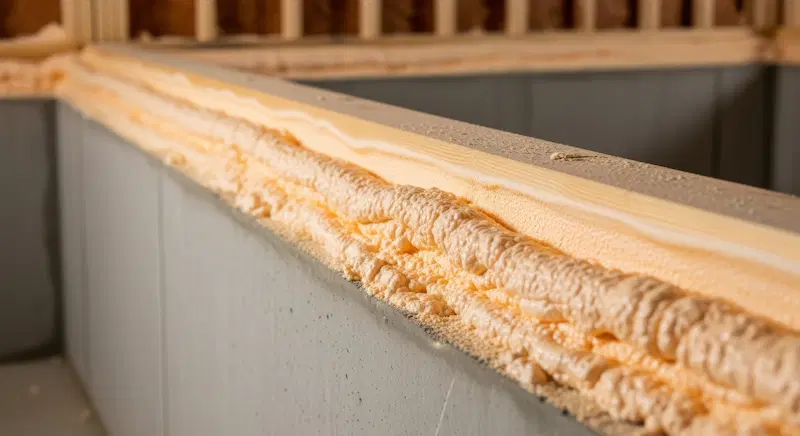
Rim joists
- High air-leak potential
- One of the most cost-effective spots to insulate
Basement ceilings (less ideal)
- Helps soundproofing
- Less effective for energy savings
What are the best Basement Insulation Materials?
Here are the best basement insulation materials to compare to find the right match to your needs and budget.
Spray foam
- Excellent air sealing
- Moisture-resistant
- Ideal for rim joists and foundation walls
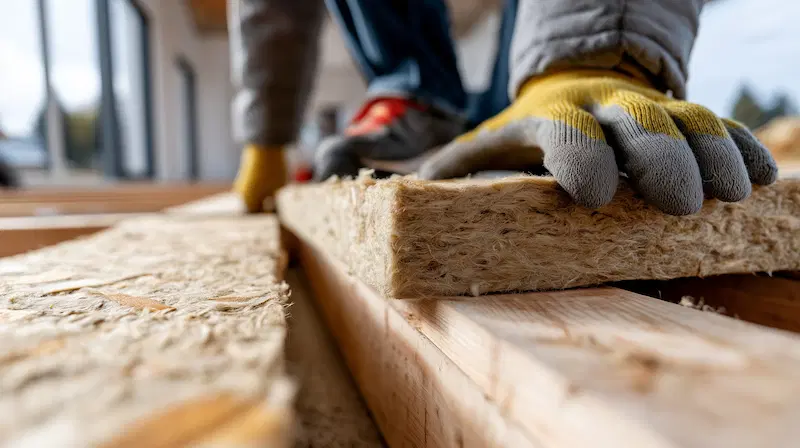
Rigid foam board
- Durable
- Good moisture resistance
- Often used with framed walls
Mineral wool (Rockwool)
- Fire-resistant
- Moisture-resistant
- Easy to install in framed basements
Average Basement Insulation Costs in Alberta
Basement insulation costs in Alberta vary widely because no two foundations are the same. Pricing depends on factors such as whether the basement is finished or unfinished, the insulation method used, access to rim joists, and moisture conditions.
Since basements account for a significant portion of heat loss through concrete, understanding these costs helps homeowners balance upfront investment with long-term comfort and energy savings.
| Area | Average Cost per Sq. Ft. |
| Rim joist Spray Foam | $3.50 – $6.000 |
| Basement walls (Rigid Foam) | $3.00 – $5.50 |
| Basement walls (Spray Foam) | $4.50-$7.50 |
When Basement Insulation Should Be Your First Upgrade
While attic insulation is usually the top priority, there are situations where the basement should come first. Homes with cold floors, noticeable drafts at ground level, moisture issues, or unfinished foundations often lose a significant amount of heat through basement walls and rim joists. In these cases, insulating the basement first can deliver faster comfort improvements and better energy performance than upgrading the attic alone.
- Your home has no attic access or already meets R-50+
- Floors above the basement are cold
- You’re finishing or renovating the basement
- Moisture or condensation is an issue
- You want to improve comfort on the main floor
Speaking to an insulation professional is the best step to getting the right solution for your home that meets your budget.
Just fill out the short online form at no cost and get connected to top insulation contractors near you.
When Basement Insulation Should Be Your First Upgrade
Why is wall insulation usually the last priority?
While wall insulation is important, it is generally:
- More expensive
- More invasive
- Harder to upgrade in finished homes
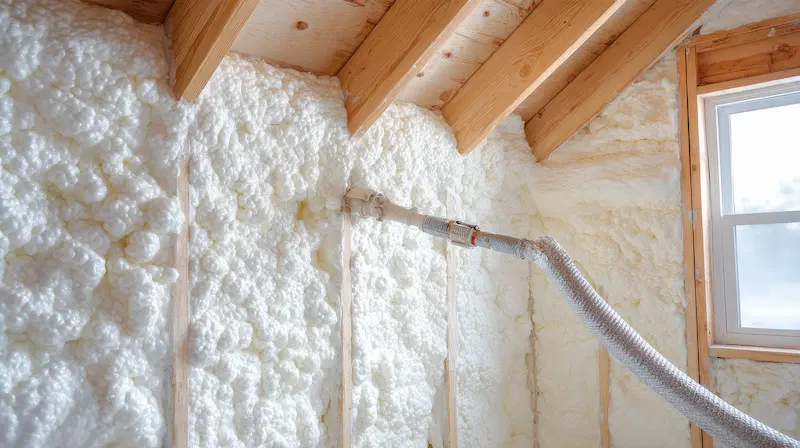
Most Alberta homes already have some wall insulation, and upgrading it often involves drilling holes, removing siding, or opening drywall.
Here are some options for Wall Insulation:
Dense-pack cellulose
- Blown into existing wall cavities
- Improves R-value and air sealing
- Least invasive wall upgrade
Spray foam
- High performance
- Requires wall removal
- Often done during major renovations
Exterior rigid foam
- Installed during re-siding
- Improves thermal performance
- Expensive but effective
Average Wall Insulation Costs in Alberta
Wall insulation costs in Alberta vary significantly, depending on the age of the home, the insulation method used, and how accessible the wall cavities are.
Because wall upgrades are often more invasive and labour-intensive, understanding typical price ranges helps homeowners decide when wall insulation makes financial sense and how to compare contractor quotes accurately.
| Method | Typical Cost per Sq. Ft. |
| Dense-pack cellulose | $3.00-$5.00 |
| Interior Spray Foam | $6.00-$10.00 |
| Exterior Rigid Foam | $7.00-$12.00 |
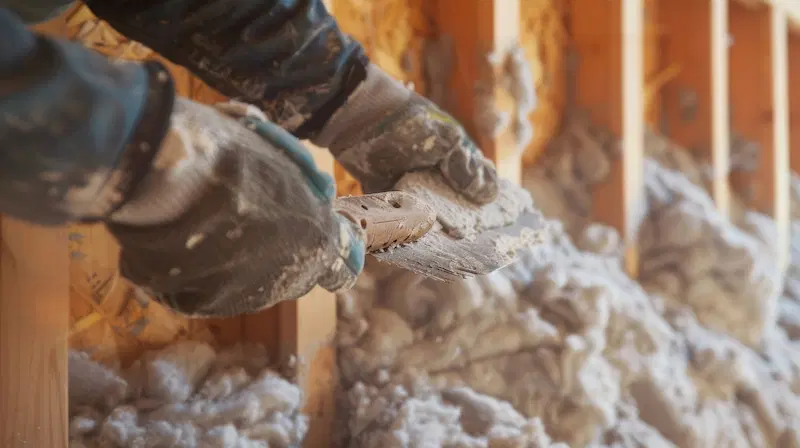
When Wall Insulation Should Be a Priority
- Your home was built before the 1980s
- Walls have little or no insulation
- You’re doing a major renovation
- Drafts persist after attic and basement upgrades
- You are planning to replace exterior siding
Cost vs. Payback: What Gives the Best ROI?
Which area insulation gives the best return of investment? According to professionals, the best cost to energy savings and ROI is as follows:
| Area Upgrade | Cost | Energy Savings | ROI |
| Attic | Low-Medium | High | ⭐⭐⭐⭐⭐ |
| Basement | Medium | Medium-High | ⭐⭐⭐⭐ |
| Walls | High | Medium | ⭐⭐⭐ |
Attic insulation almost always delivers the fastest payback, often within 3–5 years, while wall insulation may take much longer to recoup.
What Should You Upgrade First?
For most Alberta homeowners, the ideal insulation upgrade order is:
- 1. Attic insulation – highest savings, lowest cost
- 2. Basement insulation – comfort and moisture control
- 3. Wall insulation – best during renovations
Every home is different, but starting with the attic almost always delivers the biggest impact.
Ready to Compare Insulation Quotes in Alberta?
If you are planning an insulation upgrade, don’t guess or settle for one estimate.
Compare multiple insulation quotes from qualified Alberta contractors to find the best price, materials, and workmanship for your home. A few minutes of comparison can save you thousands in long-term heating costs and ensure your upgrade is done right the first time.
Fill out our short online form at no cost and receive free insulation quotes and start saving on energy bills this winter.