

When it comes to keeping Alberta homes warm and energy-efficient, insulation plays a significant role.
But with several materials on the market, including cellulose, fibreglass, and Rockwool (mineral wool), it can be difficult to decide which one offers the best value for your money.

Each type has its own strengths in terms of cost, performance, and durability. In this guide, we will compare the performance and cost of these three popular insulation materials, especially in Alberta’s cold climate. We aim to help you make a confident choice for your next upgrade.
Fibreglass is usually the cheapest option up-front. Cellulose is the mid-range option, and often gives the best cost-to-performance value for attic retrofits. Rockwool (mineral/stone wool) is typically the most expensive but offers superior fire resistance, better sound control, and greater durability.
The “best” choice depends on your budget, your insulation needs, and if you value fire and acoustic performance enough to pay extra.
Are you ready to discover which insulation type can help you save more money? Don’t just rely on averages since every house is different.
Get free, no-obligation quotes from trusted local insulation contractors and compare real prices for cellulose, fibreglass, and Rockwool installations. Just fill out the short online form on this page today to save time and money.
Why is this important for Alberta homeowners?
Winters in Alberta are long and cold, and heating costs are a major household expense.
Choosing the right insulation affects comfort, moisture control, noise, and your monthly energy bills. If you are getting quotes from insulation contractors, knowing the typical R-values, average installed costs for materials and labour, and the pros and cons for each type will help you compare apples to apples.

We will guide you through each material, detailing the average costs you can expect in Alberta, along with practical buying tips so you can evaluate quotes like a pro.
R-value and Installation Types to Consider
Understanding R-value and installation methods is essential for comparing insulation options. These are two key factors that affect performance and pricing.
The R-value indicates how effectively a material resists heat flow, while the installation method of installation affects the overall efficiency of the insulation. In Alberta’s cold climate, both factors play a big role in the warmth and energy efficiency of your home in winter.
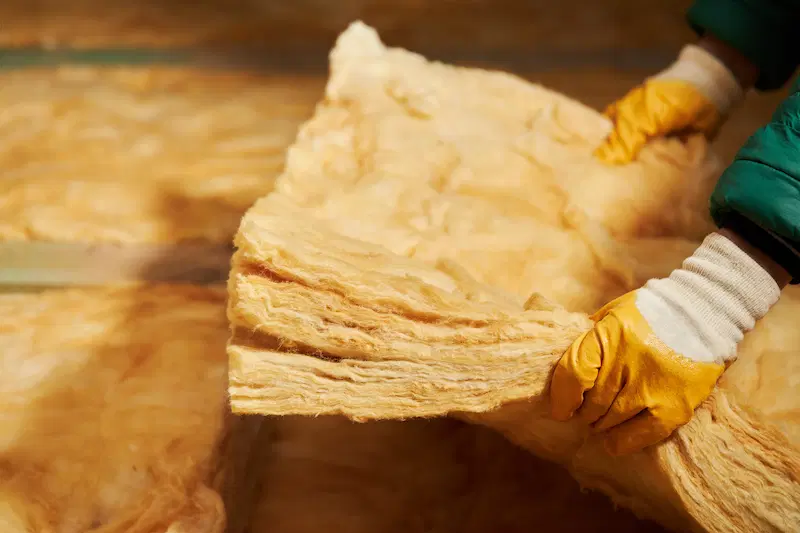
R-value measures thermal resistance; the higher the R-value, the better the results. For retrofit work, “R per inch” is the measurement used. In Alberta, the recommended target is R-60, depending on local needs and existing construction.
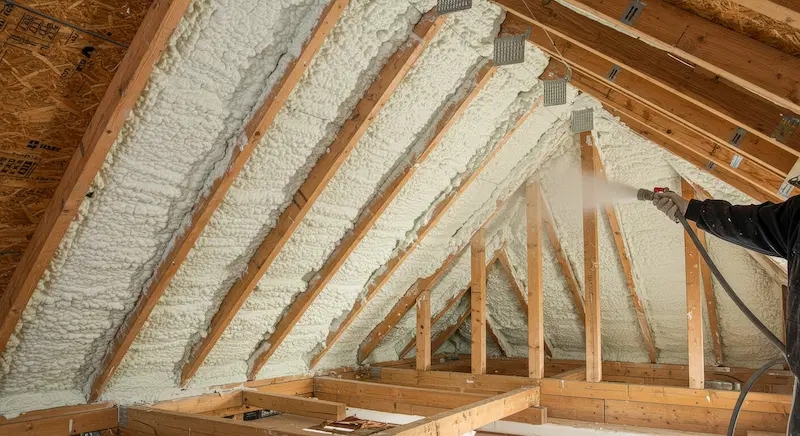
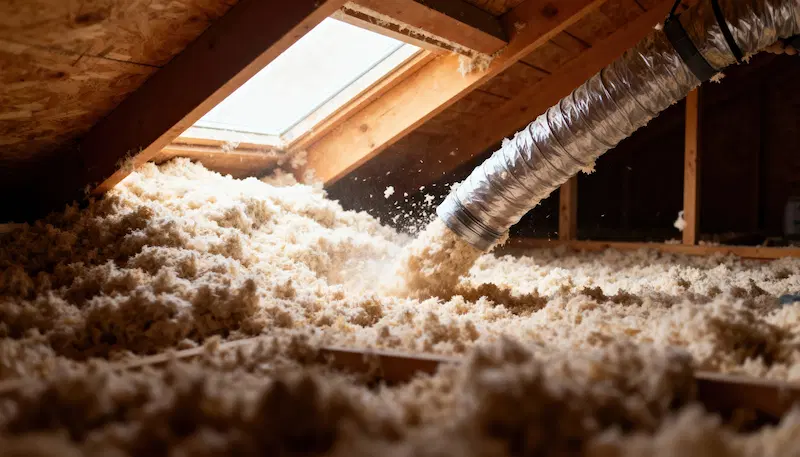
Common installation methods: Batts or blown-in (loose-fill) for attics or dense-pack in walls, and spray/wet-spray cellulose for certain wall jobs. .Blown-in cellulose or fibreglass requires a blower and crew, while batts need more time to cut and fit in frames. Dense-pack installed in walls is more specialized and costly.
The Pros & Cons per Material Type
Each type of insulation – cellulose, fibreglass, and Rockwool – has its own advantages and disadvantages in terms of cost, performance, and long-term durability.
Understanding these differences will help you choose the material that fits both your budget and your home’s specific needs. Let’s examine how each one performs under local conditions, including energy efficiency to moisture resistance and fire safety.
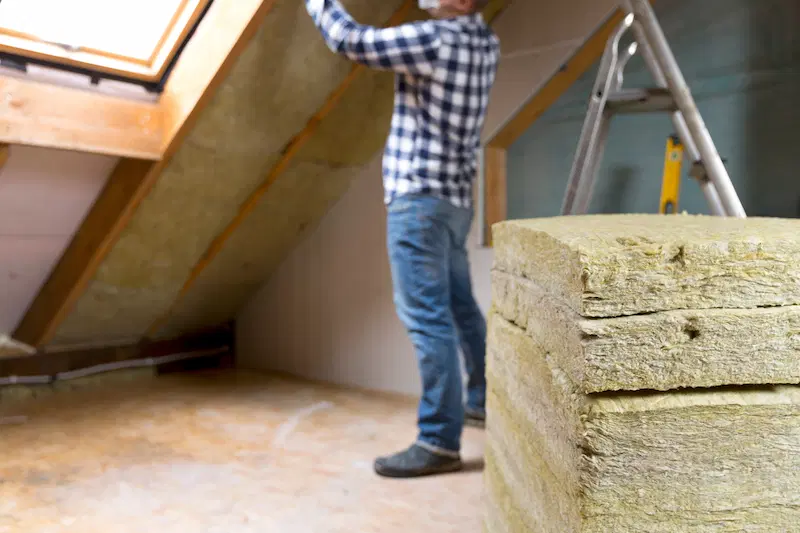
Cellulose (blown-in / dense-pack)
- Mostly made from recycled newspaper that has been treated to resist fire and pests.
- Installed as loose-fill (attic) or dense-packed in wall cavities.
- Has typical R-values of R-3.2 to R-3.8 per inch when properly installed/dense-packed. Its performance depends on the density and installation quality.
- Pros: Offers good overall thermal performance at an affordable price; excellent at filling gaps and around irregular framing. Eco-friendly materials and good noise damping.
- Cons: Can settle if poorly installed and can absorb moisture. Thus, it is not ideal where constant dampness is likely. It requires a blower and trained installers for the best results.
Fibreglass (batts or blown)
- Made of glass fibres formed into batts or loose-fill. They come as batts (for stud spaces) or blown-in (loose-fill) for attics.
- Typical R-values are R-3.0 to R-3.7 per inch, depending on product density and brand. Some modern high-density batts offer higher R-value per inch. Fibreglass loose-fill has slightly lower R-value per inch than dense mineral products.
- Pros: Has the lowest prices and is widely available. They are non-combustible in glass form. They are easy to install for simple attic jobs with batts or rolls.
- Cons: The performance of fibreglass depends a lot on fit — gaps, compression, and poor air sealing reduce the effectiveness. It can cause skin irritation if handled without PPE.
Rockwool / Mineral Wool
- Made from molten rock and slag spun into fibres. They are available as batts and loose fill.
- The typical R-value ranges from R-3.7 to R-4.2 per inch depending on the product. Many stone/mineral wool batts provide about R-4 per inch. This makes it more advantageous than standard fibreglass and cellulose.
- Pros: Excellent fire resistance and great acoustic performance. It can resist mould and moisture better than cellulose. It is also stable and does not settle. It is the preferred material for soundproofing and high-safety assemblies.
- Cons: It is more expensive than fibreglass and cellulose. It is also heavier. Fewer contractors have stock or install blown-in Rockwool.
Typical Prices Quoted by Contractors
Prices vary by city, and factors like accessibility, removal of old insulation, and air sealing affect the final cost. Below are typical installed cost ranges you can expect for materials and labour, per square foot.
- Fibreglass (blown or batts): roughly $0.50 – $1.50 per sq. ft. Fibreglass batts for new construction can be on the lower side. Blown-in insulation for existing attics is at the low end of retrofit pricing.
- Cellulose (blown-in / dense-pack): around $0.60 – $2.30 per sq. ft, with dense-pack walls and higher R targets on the more expensive side. Attic dense-pack cellulose or wet-spray installations cost around $1.50–$2.30 for higher R-values.
- Rockwool / Mineral wool (batts or blown): about $1.40 – $4.00 per sq. ft., depending on the product and installation method. Expect Rockwool to be more expensive than fibreglass and cellulose for the same R-value.
Example of insulation cost for 1,000 sq. ft. attic:
- Fibreglass blown-in at $0.80/sq. ft.: $800
- Cellulose blown-in at $1.20/sq. ft.: $1,200
- Rockwool/mineral wool at $2.00/sq. ft.: $2,000
These prices can go higher if you add air sealing, removal, and attic access work.
Insulation prices in Alberta can vary widely, not just based on the type of material, but also among the different contractors. It is advisable to compare multiple written quotes for the same job specifications.
Comparing at least three detailed estimates will help you find the best price and avoid overpaying for the same material, installation type, and R-value.
In short, the more informed you are, the better deal you can get for your insulation investment.
Installation and Durability Considerations
When choosing which type of insulation is best for your home, don’t just look at the price.
1. Air Sealing
Insulating a leaky attic is a waste of money. Professionals recommend air sealing of gaps, ducts, attic hatch, chimneys, and top plates before adding insulation.
2. Moisture management
Cellulose can absorb moisture; ensure roof leaks and ventilation are addressed first. Mineral wool resists moisture better.
3. Vermin & pests
Cellulose may attract rodents if there are easy access points; proper sealing and rodent-proofing solve most concerns.
4. Settling & compression
Quality installers dense-pack or use correct techniques to avoid long-term settling; poorly installed fibreglass batts can be compressed and lose R-value.
5. Combustion appliance safety
Maintain clearances around chimneys and flues; some materials are safer around hot surfaces than others. Rockwool’s non-combustibility is an advantage here.
When Is the Best Time for an Insulation Upgrade in Alberta?
The ideal time to upgrade insulation in Alberta is late spring through early fall, generally May to September.
During these months, the weather is mild, attics and crawl spaces are easier to access, and contractors have more flexible schedules. Installing insulation before the first freeze ensures your home is sealed and ready for Alberta’s long, cold winter.
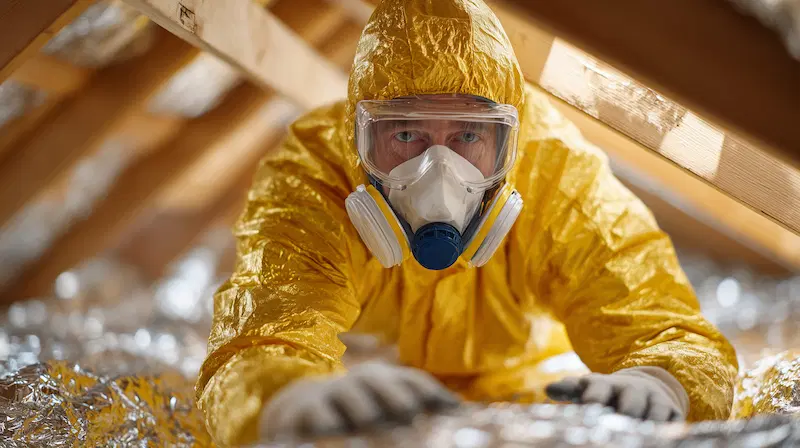
If you’re planning an attic insulation upgrade, spring and early summer are also perfect because contractors can safely work in the space without extreme heat or frost. For wall or crawl space insulation, early fall is often best, temperatures are still moderate, and you will immediately notice the extra comfort when the heating season begins.
Insulation can be done any time of the year, especially if you are experiencing major heat loss, high energy bills, or noticeable cold drafts. However, keep in mind that extreme weather conditions can slow down the installation and increase the cost.
Which material should you choose in Alberta?
If budget is the major concern, fibreglass (batts or blown) is the least expensive if installed correctly with proper air sealing.
If you want the best value for retrofitting attics, cellulose can fill gaps and provide a competitive R-value and sustainability.
If you want fire safety, noise control, and long-term stability, Rockwool is worth the extra cost, especially in wall cavities where thin assemblies need higher R/inch or in assemblies where fire resistance is a priority.
Rebates & Incentives in Alberta for Insulation Upgrades
Upgrading your home’s insulation is a smart investment. Fortunately, rebates and financing support are available in Alberta to help offset the cost. Here’s what you need to know.
- The federal program, Canada Greener Homes Grant, offering rebates for insulation upgrades, has closed as of October 2025.
- Some municipalities in Alberta, such as St. Albert, provide local grants that cover a percentage of the upgrade cost, up to 50 % of eligible costs for insulation upgrades in their home-energy efficiency grant program.
- Some cities run retrofit programs for homeowners with higher energy bills (income-qualified) that include options for new insulation, air sealing, and weatherization.
- Under certain programmes, you can qualify for interest-free loans or low-interest financing for energy-efficient upgrades, such as mortgage or retrofit loan programmes tied to energy evaluations.
Qualifying for Rebates
A pre-retrofit home energy assessment is often required before upgrades, and a follow-up evaluation after the work.
The upgrade must improve insulation by a certain threshold, for instance, insulate a minimum of 20% of the attic/ceiling.
You must work with eligible contractors or follow program-approved procedures. Some programs have caps, maximum rebate amounts, and/or limited funds.
Local contractors can also provide more information about programs that are available in your area. Compare insulation contractors using our short online form today.
How to get the best price for Home insulation in Alberta
Choosing between cellulose, fibreglass, and Rockwool insulation is not just about picking the cheapest option. Instead, find the best long-term value for your home.
Fibreglass is cheaper initially, but cellulose offers a great balance of price and performance. On the other hand, Rockwool or mineral wool delivers top-tier protection and fire safety.
The key is to choose insulation that fits your budget, comfort goals, and Alberta’s demanding climate.
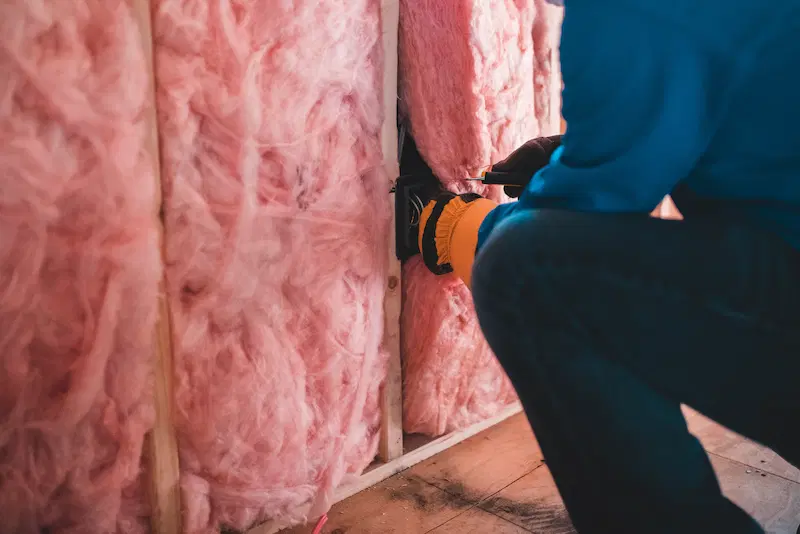
Regardless of your final choice, professional installation and proper air sealing make a significant difference. A well-insulated home keeps you warmer in winter, cooler in summer, and saves you hundreds of dollars in energy costs every year.
Ready to find the right insulation contractor near you? Get free, no-obligation quotes from trusted Alberta professionals and compare prices for cellulose, fibreglass, or Rockwool insulation. A few minutes of research now result in years of comfort and significant savings on your heating bills.
Fill out the short online form on this page TODAY to get your free and no-commitment quotes for home insulation.