Patrick Beaudette

Insulation Cost in Alberta (2026): Compare Prices, Materials & Contractors

Insulation is one of those home upgrades that quietly does all the heavy lifting. 


It keeps warm air inside during Alberta’s long winters, blocks heat from creeping in during summer, and helps your home stay comfortable without overworking the furnace or air conditioner.

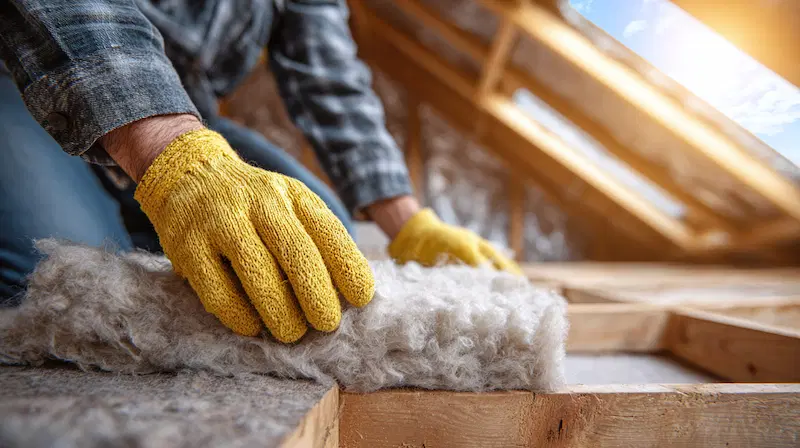
Attic insulation for climate control

Whether you are building a new home or upgrading an older house, the right insulation plays a major role in energy efficiency, monthly utility costs, and even indoor air quality


In a climate as extreme as Alberta’s, insulation isn’t optional; it is critical.

If you are wondering what it actually costs to insulate your home in Alberta in 2026, the short answer is this: expect to pay roughly $1.25 to $6.00 per square foot, depending on material and method, with fibreglass and blown-in options on the lower end and spray foam at the higher end. The total installation costs for a typical attic or whole-home project can cost a few thousand dollars once labour, accessibility, and project complexity are accounted for.

Insulation is an investment. While cheaper materials may reduce your initial cost, opting for premium materials and experienced installers can help you save more on heating and cooling bills in the long run. Choosing the right type and contractor helps you balance cost with long-term comfort and efficiency.


If you are ready to compare the best options for insulation for your home, fill out the short online form on this page today and receive the best offers from our insulation partners, free of charge!

Why is good Home Insulation Essential in Alberta?

Alberta’s weather is tough on homes. Long, cold winters put constant pressure on heating systems while hot summer days can quickly drive up cooling costs in poorly insulated houses. 


Without proper insulation, heat escapes through the attic, walls, basement, and even small gaps around framing and penetrations.

Preparing the home for cold weather

Good home insulation helps:

Because insulation directly affects how much energy your home uses, the upfront cost is only part of the story. The right insulation can pay for itself over time with savings from utility bills, increased home value, and a higher level of comfort for you.

What Affects Insulation Costs in Alberta?

Insulation prices vary for different homes based on several key factors that professional contractors consider in their final quotes.


1. Type of Insulation Material

Different insulation materials come with different price points and performance levels. The most common options in Alberta include:

Each material has its own R-value, durability, and installation requirements, which directly impact cost.


2. Size of the Area for Insulation 

The cost will vary depending on where the insulation is installed:

3. Labour and Accessibility

Labour is a big factor in insulation pricing. Tight spaces, high ceilings, complex rooflines, or the need to remove old insulation will all increase installation time — and cost.

4. Required R-Values and Building Code

Alberta building codes set minimum R-value requirements for walls, ceilings, and floors. Meeting or exceeding these standards often means thicker insulation or higher-performance materials, which affects pricing.

Required Insulation Code in Alberta (2026)

In Alberta, new homes must meet minimum insulation (R-value) levels set out in the Alberta Building Code (ABC) and the National Building Code – Alberta Edition. These standards are based on the province’s cold climate to ensure energy efficiency and comfort in homes.


Minimum R-Value Requirements

While details can vary depending on the exact climate zone and whether an energy-efficiency performance path is used, current common minimum requirements are approximately:

These figures represent minimum code requirements. Builders and energy-efficiency programs recommend going beyond these minimum figures for better comfort and lower heating costs.

Average Insulation Costs in Alberta (2026)

Below are typical installed cost ranges you can expect in Alberta in 2026. These include material and professional installation.

Average Insulation Cost per Square Foot:

Type of InsulationAverage Installed Cost
Fibreglass batts$1.25 - $2.50
Blown-in Fibreglass$1.50 - $3.00
Blown-in cellulose$2.00 - $3.50
Mineral Wool (Rockwool)$1.40 - $4.00
MSpray Foam$3.50 - $7.00

These estimates reflect the typical pricing in Alberta cities like Edmonton and Calgary. The final quotes from contractors may vary based on the specific details of your project.

Attic Insulation Costs in Alberta

Attic insulation is one of the most common and cost-effective upgrades for homes in Alberta.

Typical Attic Insulation Pricing

For a 1,000 sq. ft. attic, that works out to roughly:

Additional costs may apply if old insulation needs to be removed or if air sealing is required.


Whole-Home Insulation Cost Estimates

For full or partial home insulation upgrades, total costs often fall between:

Larger homes, higher R-values, or extensive spray foam use can push costs higher but also deliver greater long-term energy savings.


DIY vs. Professional Insulation Installation

DIY insulation can reduce labour costs, especially for fibreglass batts or blown-in attic insulation. However, professional installation offers important advantages:

In Alberta’s climate, poor installation can undo the benefits of even the best insulation materials.

Comparing Insulation Materials: Cost vs Value

When comparing insulation options, it’s easy to focus on upfront cost alone but that only tells part of the story. 


The true value of insulation lies in its long-term performance; reducing heating and cooling bills, improving comfort, and safeguarding your home from moisture and temperature extremes. In Alberta’s climate, paying slightly more for the right material and proper installation can deliver better long-term savings than choosing the cheapest option upfront. This section explains how insulation costs translate into real value, allowing you to make informed decisions that pay off year after year.

1. Fibreglass Insulation

Best for: Budget-friendly upgrades
Pros: Low cost, widely available
Cons: Performance drops if compressed or poorly installed


2. Blown-In Cellulose

Best for: Attics and older homes
Pros: Excellent coverage, eco-friendly
Cons: Moisture-sensitive if not properly protected


3. Mineral Wool (Rockwool)

Best for: Basements, soundproofing
Pros: Fire-resistant, moisture-resistant
Cons: Higher cost than fibreglass


4. Spray Foam Insulation

Best for: Air sealing, basements, rim joists
Pros: High R-value, air and moisture barrier
Cons: Highest upfront cost


Investing in higher quality materials for specific areas can reduce energy loss, improve comfort, and prevent future issues like moisture damage or uneven temperatures. In the long run, insulation that performs well — not just one that costs less upfront — delivers the greatest return on your investment.

Rebates and Incentives for Insulation

Federal and provincial energy-efficiency programs can help offset insulation costs. Homeowners may qualify for rebates through energy audits and approved upgrades, reducing out-of-pocket expenses.


Low-to-medium income Alberta homeowners can access the new Canada Greener Homes Affordability Program (CGHAP) which offers no-cost, direct-install insulation upgrades starting in 2025/2026. Further, the $40,000 interest-free Canada Greener Homes Loan remains available for energy-efficient retrofits, including home insulation.

When Is the Best Time to Insulate?

Spring and fall are peak seasons for insulation contractors in Alberta. Timing your project during non-peak seasons like late winter or early summer can sometimes result in better pricing and availability.

Insulation Contractors in Alberta: Finding the Right Professionals

When it comes to insulation, the contractor you choose matters just as much as the type of material. Good insulation delivers the most value only if installed correctly with proper air sealing, precise coverage, and the right material for the job. 


In Alberta, there are numerous insulation contractors to consider, from small local specialists to larger service providers covering residential and commercial projects.

Below are some trusted insulation contractors and companies based in Alberta serving  Edmonton, Calgary, Airdrie, Red Deer, and surrounding areas that homeowners commonly consider when planning insulation work:

This is not a comprehensive list; there are hundreds of insulation contractors across Alberta you can contact for quotes and services. 


Let us handle the work for you to save time and effort. Just fill out the short online form on this page and get connected at no cost to our reputable insulation contractors to get FREE QUOTES.

Spray Foam vs Fibreglass Insulation in Alberta: Cost, Energy Savings & ROI

Insulation is one of the most important factors affecting comfort, energy efficiency, and heating costs in Alberta.  


With long winters, extreme cold snaps, and rising utility prices, the right insulation helps keep heat inside, reduce drafts, and prevent energy loss year after year.

Insulation contractor in Alberta

Whether you’re building new or upgrading an older home, your insulation choice directly impacts monthly bills and long-term value.

In Alberta’s climate, spray foam insulation typically delivers a higher return on investment than fibreglass, even though it costs more upfront. Spray foam’s superior air sealing and higher effective R-value reduce heat loss more effectively, leading to lower energy bills and stronger long-term savings. Fibreglass insulation is more affordable initially and still widely used, but its lower performance usually results in smaller lifetime savings.

You can compare insulation options by getting local quotes to quickly find which solution makes the most financial sense for your home. Fill out the form on this page and get FREE QUOTES with NO COMMITMENT!

Insulation Quality: Why Does it Matter in Alberta?

Homes in Alberta face conditions that insulation in milder climates rarely see. Temperatures can stay below freezing for months, while strong winds and dry air increase heat loss through even the smallest gaps. In these conditions, insulation is not only about slowing heat transfer. Rather, it is also about controlling air movement.

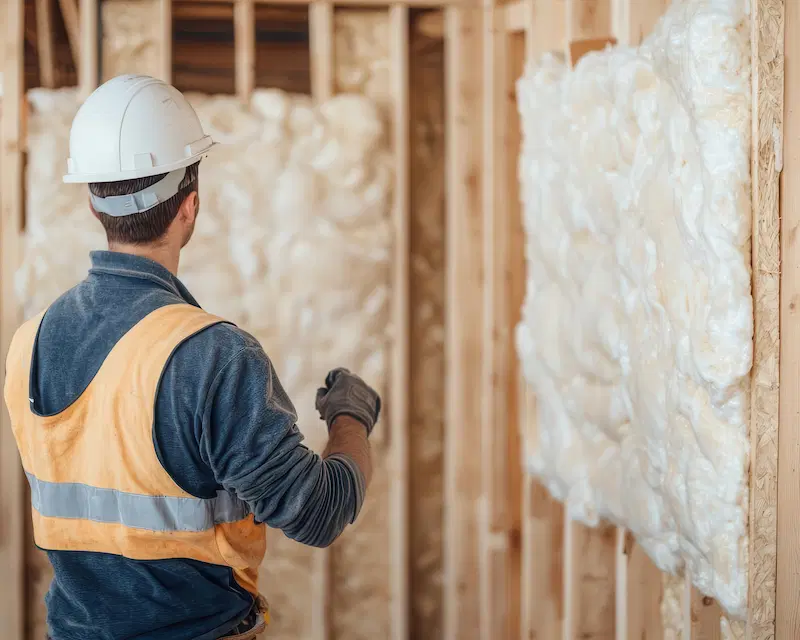
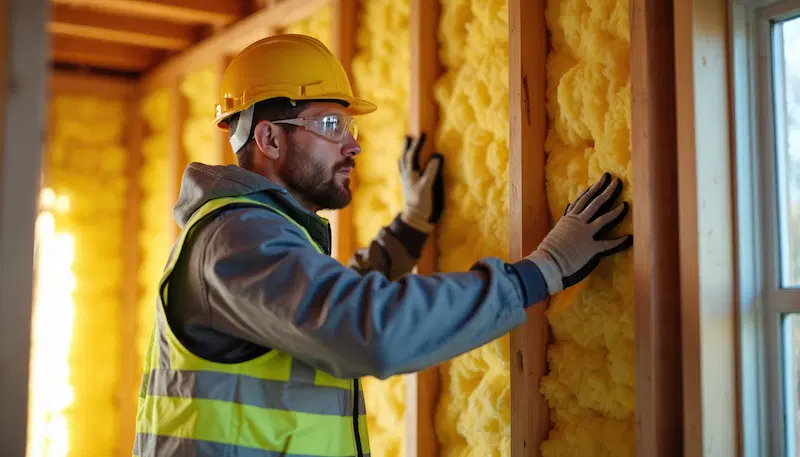
Professional installation of wall insulation

Many homes lose more heat through air leakage than through poorly insulated walls alone. That’s why two insulation types with similar R-values can perform very differently once installed. Understanding this difference is key when comparing spray foam and fibreglass insulation.


Learn more about spray foam vs. fibreglass insulation to determine the right choice for your needs and budget.

Spray Foam Insulation: The Benefits and Costs

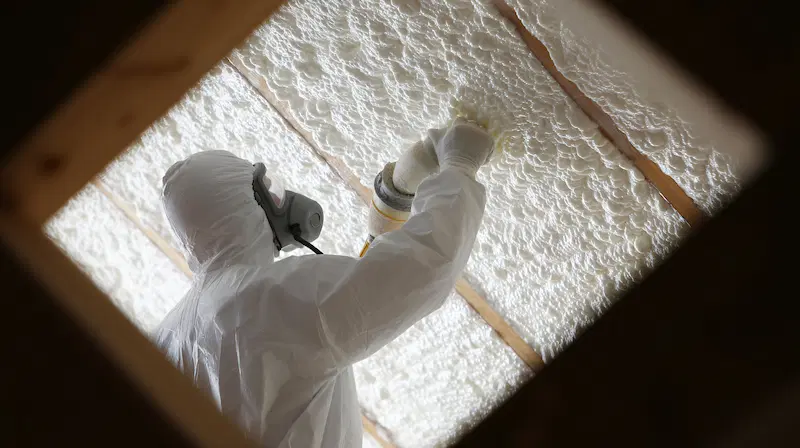
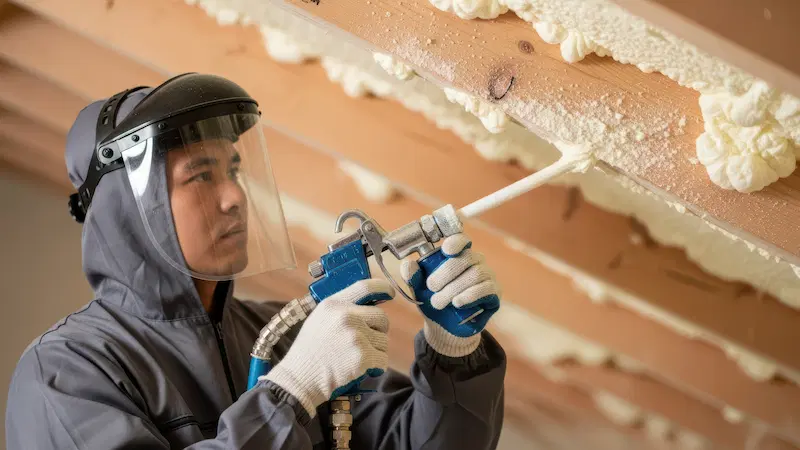
Spray foam insulation is a high-performance insulation material that expands on contact, sealing gaps, cracks, and cavities as it hardens. Unlike traditional insulation, spray foam acts as both an insulator and an air barrier, which makes it especially effective in Alberta’s cold and windy climate.

Types of Spray Foam Used in Alberta Homes


Open-cell spray foam


Open-cell spray foam is lighter and more flexible, and boasts an R-value of approximately R-3.5 to R-4 per inch. It is typically used for interior walls, soundproofing, or areas where moisture resistance is less critical.


Closed-cell spray foam


Closed-cell spray foam is denser and more rigid, offering an R-value of roughly R-6 to R-7 per inch. It also functions as an air barrier and moisture barrier, making it a popular choice for basements, rim joists, exterior walls, and other areas exposed to Alberta’s extreme temperatures.

Key Benefits of Spray Foam Insulation

Spray foam’s biggest advantage is its ability to create a continuous, airtight seal. This significantly reduces heat loss caused by air leakage, which is one of the main sources of energy waste in Alberta homes.

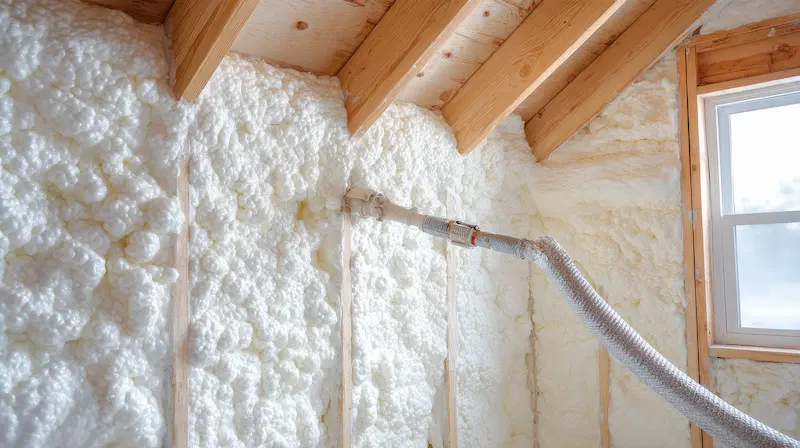
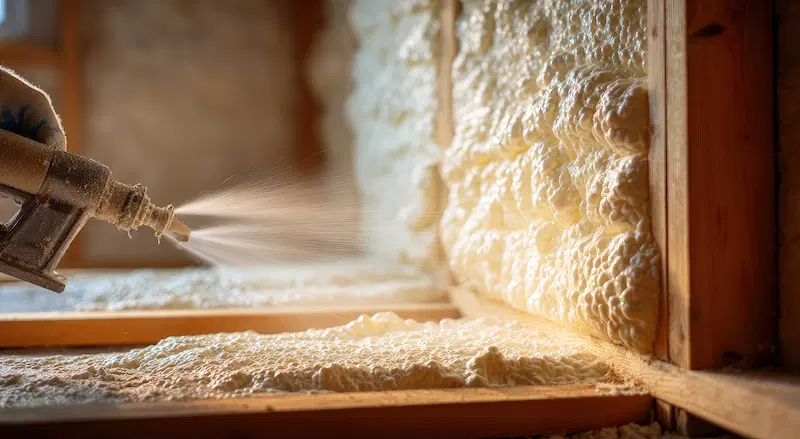
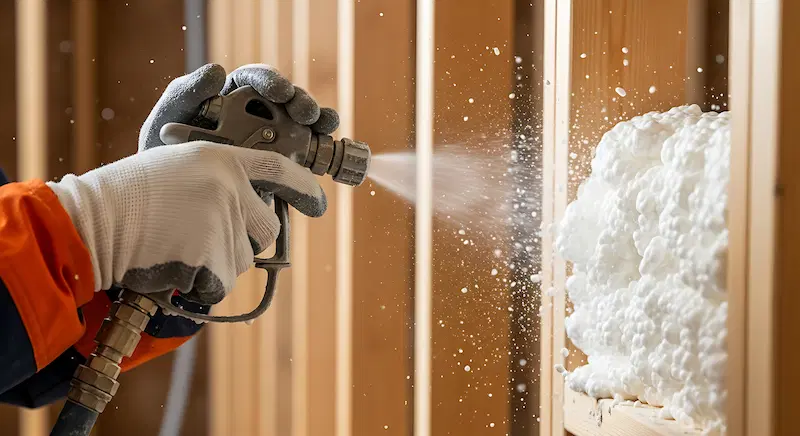
Wall frame with spray foam insulation

Additional benefits include:

These advantages often translate into noticeably lower energy bills, particularly in older or drafty homes.

Cost Considerations of Spray Foam Insulation

The main disadvantage of spray foam insulation is its higher upfront cost. In Alberta, professionally installed spray foam typically costs 2 to 4 times more than fibreglass insulation, depending on the type used and the area being insulated.


Because spray foam must be installed by trained professionals using specialized equipment, the labour costs are higher than traditional insulation methods. However, this higher initial investment is often offset over time through energy savings, reduced maintenance, and improved durability.


For homeowners planning to stay in their home for many years, spray foam insulation often provides better overall value, despite its higher installation cost.

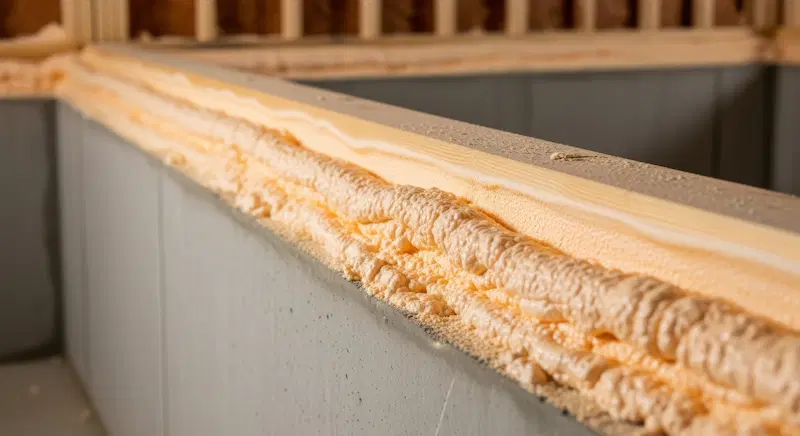
Yellow spray foam insulation in wall frame

Disadvantages of Spray Foam Insulation

While spray foam insulation offers excellent energy performance, it is not the best choice for every home or budget. Understanding its potential drawbacks is important before making a decision, especially in Alberta, where insulation projects can represent a significant investment.


Higher Upfront Cost

The most noticeable disadvantage of spray foam insulation is its cost. For larger homes or whole-home projects, this higher upfront expense can be a deterrent, even if long-term energy savings are expected.


Professional Installation Required

Spray foam must be installed by trained professionals using specialized equipment. Unlike fibreglass batts or blown-in insulation, it is not suitable for DIY installation. Poor application can result in uneven coverage, improper curing, or reduced performance, making contractor selection especially important.


Installation Disruption

During installation, occupants may need to vacate the home or the insulated area for some time. Spray foam releases fumes while curing, and proper ventilation is required. This can be inconvenient, particularly for whole-house or attic projects.


Limited Flexibility after Installation

Once spray foam hardens, it is difficult to remove or modify. Future renovations, electrical changes, or plumbing work can be more complicated and costly compared to homes insulated with fibreglass, which is easier to move or replace.


Spray foam insulation delivers the best return on investment over time. Homeowners who plan to sell their home in the short term may not fully recoup the higher installation cost through energy savings alone.


In some parts of a home, such as some types of attics or interior walls, spray foam may give diminishing returns compared to cheaper insulation options. In such cases, fibreglass or a hybrid insulation approach may provide better value.


Consult our insulation partners by filling out the short online form on this page to receive offers tailored to your needs.

What is Fibreglass Insulation?

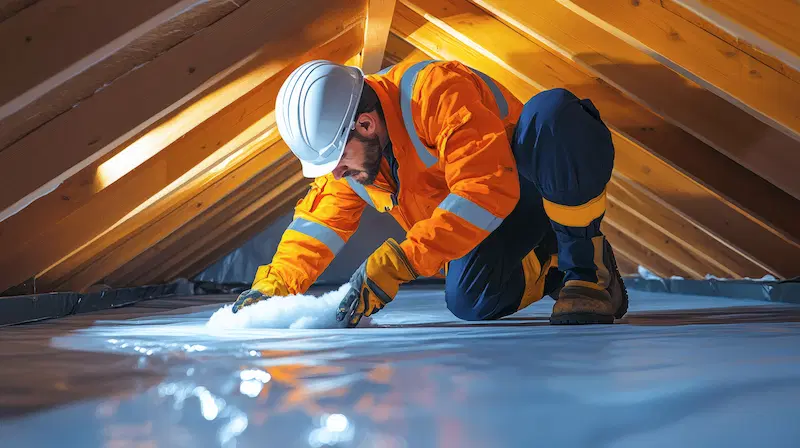
Fibreglass insulation is one of the most common insulation materials in Alberta. It comes in batts, rolls, or blown-in form and works by trapping air within the fibres to slow heat transfer.

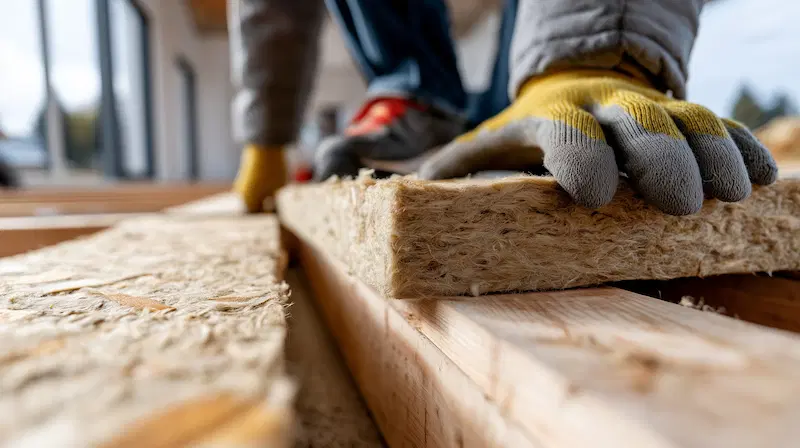
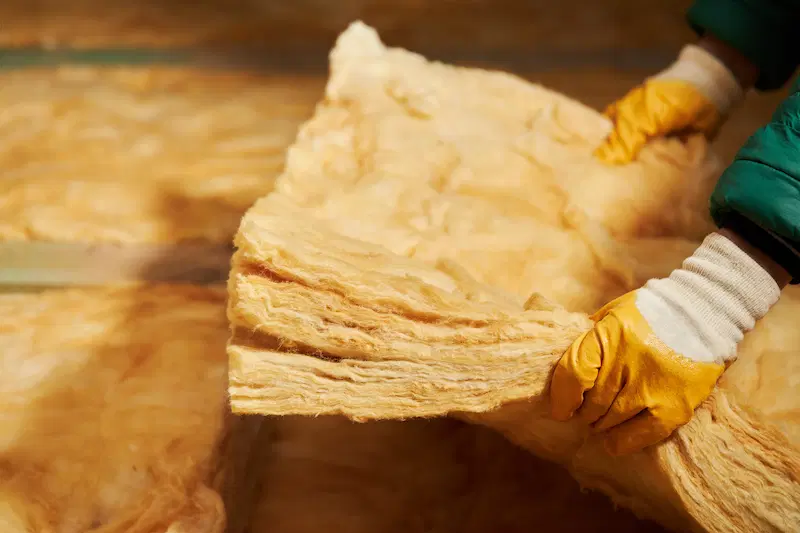
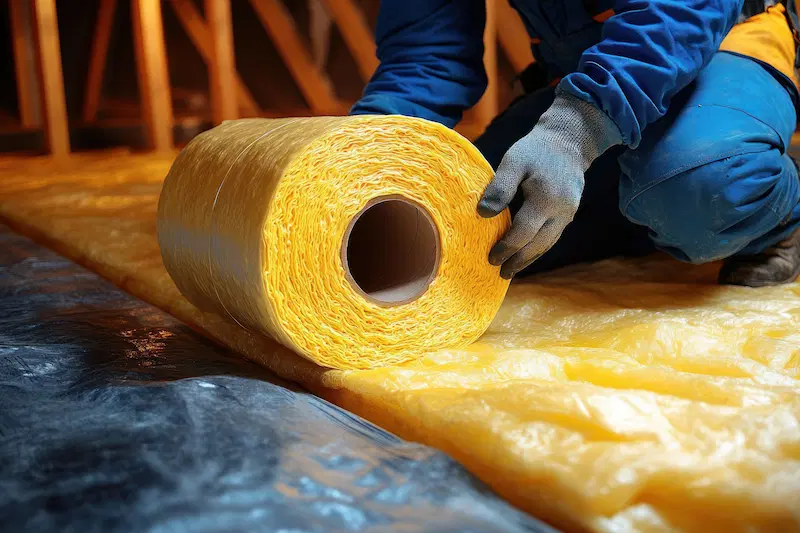
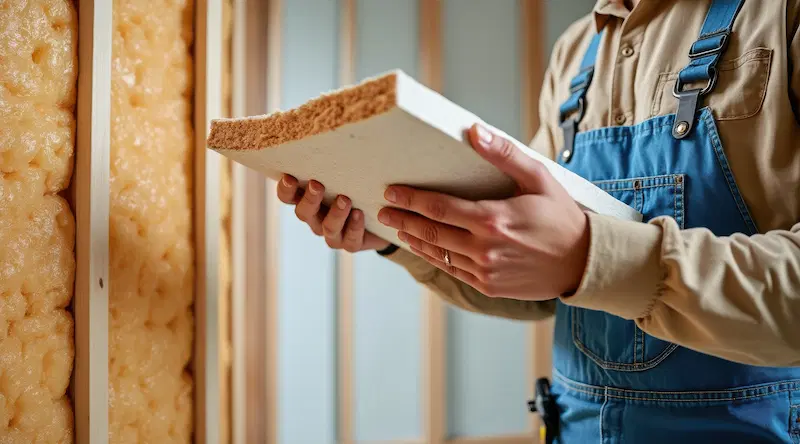
Worker preparing yellow fibreglass insulation batts

Common Fibreglass Applications

Advantages of Fibreglass

Limitations of Fibreglass

What is Fibreglass Insulation?

While prices vary by city, contractor, and project scope, average costs in Alberta fall under the following ranges:

Spray Foam Insulation Costs

Fibreglass panels being installed in a home

Fibreglass Insulation Costs


Fibreglass batts or blown-in insulation typically range from $1.25–$3.00 per sq. ft. installed.  Attic upgrades are typically the most affordable fibreglass projects


Spray foam usually costs 2 to 4 times more than fibreglass at installation. This is often the biggest deciding factor for homeowners — but it’s only part of the equation.

Energy Efficiency: Where the Real Difference Appears

Energy efficiency isn’t just about Rvalue. In Alberta’s cold and windy climate, air leakage plays a major role in heat loss. Even well-insulated homes can lose significant heat through small gaps around framing, outlets, and joints.

Fibreglass insulation is effective at slowing heat transfer, but it does not prevent air movement by itself. Issues such as gaps, compression, or settling can diminish its performance. In contrast, spray foam insulation expands to seal cracks and cavities, acting as both insulation and an air barrier. This helps prevent drafts and keeps indoor temperatures more stable.


Because of this airtight seal, spray foam often delivers a higher effective R-value and better energy performance than fibreglass once installed. Alberta homeowners commonly see heating and cooling savings of 20–40% with spray foam, compared to 10–20% with fibreglass, depending on installation quality and existing air sealing.


Typical Energy Savings from Good Insulation

Spray foam insulation:

Fibreglass insulation:

Return on Investment (ROI) from Insulation Explained

ROI is where spray foam often pulls ahead in Alberta.

Spray Foam ROI

Fibreglass ROI

Fibreglass can make sense for short-term budgets, but spray foam typically delivers greater total savings and stronger long-term value. 


To get a clear idea of the cost of your insulation project, request FREE QUOTES by filling out the short online form on this page.

Which Insulation Is Best for Your Home?

The best insulation choice depends on more than just the price. Your home’s age, layout, comfort issues, budget, and how long you plan to stay all play a role. Understanding where each insulation type performs best can help you choose the option that delivers the most value for your specific needs.

Fibreglass may be a good choice for you If:

Spray Foam could be the better choice for you if:

To compare actual prices and insulation options specific to your project, get free quotes from our insulation partners. Fill out the short form below and get connected to top insulation professionals near you.

Attic, Basement or Wall Insulation: What Should Alberta Homeowners Upgrade First?

Choosing where to upgrade insulation can be confusing for Alberta homeowners. 


Attics, basements, and walls all play a role in keeping your home warm, energy-efficient, and comfortable during long winters, but they don’t all deliver the same results for the same cost. 


With rising heating bills and fluctuating energy prices, many homeowners want to know which insulation upgrade will make the biggest difference first—without overspending or taking on unnecessary renovations.

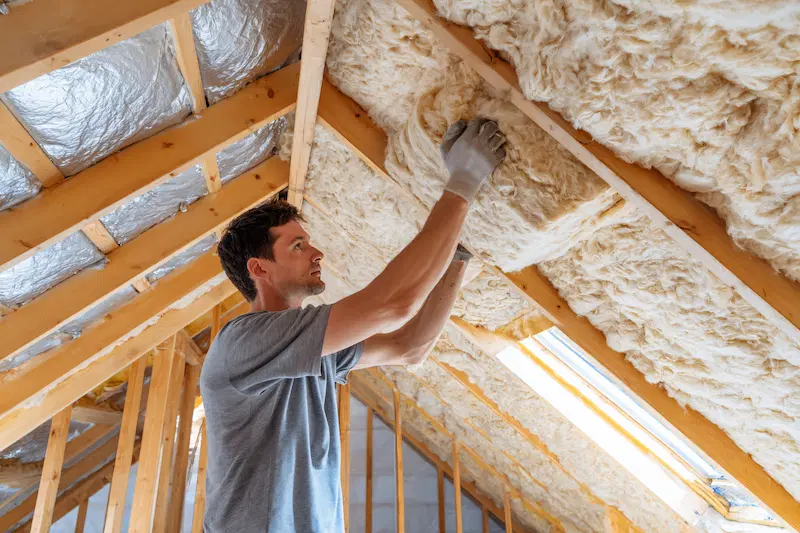
Professional installing attic insulation

For most Alberta homes, the best place to start is the attic, followed by the basement, with wall insulation typically upgraded last. Heat rises, and in cold climates like Alberta, a poorly insulated attic allows a significant amount of warm air to escape. Attic insulation offers the highest energy savings for the lowest cost, while basement insulation improves comfort and reduces heat loss through concrete foundations. Wall insulation, although important, is usually more expensive and disruptive, making it a better choice during major renovations or after attic and basement upgrades are completed.

Good insulation is critical in Alberta because of its extreme temperature swings. But it is also important for a practical reason – heating costs.


Explore your best options with tailored recommendations from our insulation partners. Complete the short online form on this page to receive FREE and NO-OBLIGATION quotes.

Why Insulation Priorities Matter in Alberta

Alberta experiences some of the most extreme temperature swings in Canada. Long, cold winters, strong winds, and freeze-thaw cycles put constant pressure on a home’s thermal envelope.

Poor insulation can lead to:

Because insulation upgrades require an investment, prioritizing the right area first ensures you get the fastest payback and the most noticeable comfort improvements.

Why Insulation Priorities Matter in Alberta

Before deciding which area to insulate first, it helps to understand how heat actually escapes from a home. 


In Alberta’s cold climate, heat loss isn’t evenly distributed; some parts of a house allow warm air to escape much faster than others. 


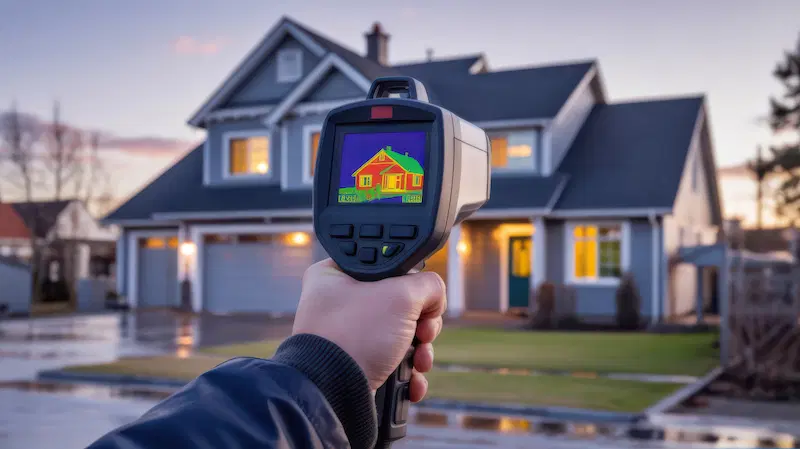
Factors like rising warm air, temperature differences between indoors and outdoors, and air leakage, all play a role in where your home loses the most energy. Understanding these patterns makes it easier to prioritize insulation upgrades that deliver the biggest impact on comfort and heating costs.


Understanding heat movement explains why upgrade order matters.


Heat Loss Breakdown (Approximate)

Warm air naturally rises. If your attic insulation is inadequate, your furnace is constantly reheating air that escapes straight through the ceiling. This makes attic insulation the most impactful first upgrade in most Alberta homes.

Why Insulation Priorities Matter in Alberta

Why does Attic Insulation Come First?


Attic insulation offers the best combination of low cost, high energy savings, and minimal disruption.


Consider these key benefits:

For many Alberta homeowners, upgrading attic insulation can reduce heating costs by 15–25%.


Recommended Attic Insulation Levels in Alberta


Most Alberta building standards and energy advisors recommend:

Many older homes have only R-20 to R-30, making them ideal candidates for an upgrade.

Attic Insulation Options to Consider

When upgrading attic insulation, choosing the right material is just as important as reaching the recommended R-value.


Alberta’s cold winters, dry climate, and large temperature swings place unique demands on attic insulation, particularly in terms of heat retention, air sealing, and moisture control. The most common attic insulation options used across Alberta each have distinct advantages, costs, and ideal use cases.


Understanding these options will help homeowners compare insulation quotes more effectively and avoid paying for materials that may not be necessary for their specific home.

Blown-In Cellulose Insulation


Blown-in cellulose is one of the most popular attic insulation options in Alberta, especially for older homes that need an insulation top-up.


Cellulose insulation is made from recycled paper products treated with fire-retardant and pest-resistant additives. It is installed using specialized equipment that blows the material evenly across the attic floor.


Why Alberta homeowners choose it:

Best for:

Considerations:

Typical R-value: Approximately R-3.5 to R-3.8 per inch


Blown-In Fiberglass Insulation


Blown-in fiberglass is another common attic insulation choice, particularly in newer Alberta homes.

Made from fine glass fibers, blown-in fiberglass insulation is lightweight and non-combustible. It is installed in a similar way to cellulose, using blowing equipment to distribute the material evenly.


Why Alberta homeowners choose it:

Best for:

Considerations:

Typical R-value: Approximately R-2.5 to R-2.8 per inch


Spray Foam Insulation (Selective Attic Use)


Spray foam insulation is less commonly used to insulate entire attic floors due to cost, but it plays an important role in many Alberta homes when used strategically.


Spray foam expands on contact, creating an airtight and moisture-resistant barrier. It comes in open-cell and closed-cell varieties, with closed-cell providing a higher R-value and vapor barrier.


Why Alberta homeowners choose it:

Best for:

Considerations:

Typical R-value:

Mineral Wool (Rockwool) Attic Insulation


Mineral wool, also known as Rockwool, is less common in attics but still used in certain Alberta homes.


It is made from spun stone or slag fibers and is naturally fire-resistant and moisture-resistant.


Why Alberta homeowners choose it:

Best for:

Considerations:

Typical R-value: Approximately R-3.0 to R-3.3 per inch

Which Attic Insulation Option Is Best?

For most Alberta homeowners:

Mineral wool attic insulation

A qualified insulation contractor can assess your attic’s current insulation, ventilation, and air leakage to recommend the most cost-effective solution.


Connect with our insulation partners today to get the best solutions to your needs!
Simply fill out the short online form on this page at no cost.

Why Installation Quality Matters More Than Material

Even the best insulation material will underperform if installed incorrectly. Common issues include:

Professional home insulation for quality installation

When comparing insulation quotes, Alberta homeowners should look beyond price and confirm that contractors:

Blown-in cellulose

Blown-in fiberglass

Spray foam (less common for full attics)

Think about hiring a professional insulation contractor from our network to protect your investment and get the best value for your money.

Average Attic Insulation Costs in Alberta

Understanding the cost of insulation in Alberta isn’t as simple as looking at a price per square foot. 


Insulation pricing can vary widely depending on the area of the home being upgraded, the type of insulation used, access conditions, and the level of performance required to handle Alberta’s extreme winters. Two homes of similar size can receive vastly different quotes, leaving many homeowners unsure whether they’re getting a fair price, or the right solution.

Type of Insulation Average Cost per Sq. Ft.
Blown-in Cellulose  $1.50 – $2.50
Blown-in Fibreglass $1.75 – $3.00
Spray Foam (Open cell) $3.50-$6.00

*Prices vary based on access, attic condition, and required R-value.

When Should Attic Insulation Be Your First Priority?

If your home feels cold despite high heating bills, there’s a strong chance the problem is not your furnace but your attic. 


In Alberta’s climate, the attic is the single largest escape route for warm air, and even small insulation gaps can lead to major heat loss. Many homeowners focus on visible upgrades like windows or walls, but neglect attic insulation which leads to lost heat and high heating bills.


Attic insulation should be your top priority when existing insulation levels fall below recommended standards, comfort issues persist on upper floors, or signs like ice dams and uneven snow melt appear on the roof. 


Because attic upgrades deliver the fastest return on investment and can often be completed in a single day, they are typically the most effective first step for improving energy efficiency, comfort, and overall home performance in Alberta.

When Should Attic Insulation Be Your First Priority?

Why is Basement Insulation the next priority?


Basements are often overlooked, but they account for a significant portion of heat loss, especially in Alberta, where frozen ground and cold air affect foundation walls.

Unfinished basement needing insulation

Insulating the basement helps:

Basement insulation comes next because once attic heat loss is controlled, the foundation becomes the biggest remaining drain on your home’s warmth. Uninsulated basement walls and rim joists pull heat out of the house, leaving floors cold and forcing your heating system to work harder.


By insulating the basement, Alberta homeowners lock in the gains from attic upgrades, improve comfort on the main floor, and reduce long-term heating costs—making it the clear second priority before tackling wall insulation.

Basement Insulation Areas Explained

Basement walls

Basement rim joist insulation with spray foam

Rim joists

Basement ceilings (less ideal)

What are the best Basement Insulation Materials?

Here are the best basement insulation materials to compare to find the right match to your needs and budget.

Spray foam

Rigid foam board

Mineral wool (Rockwool)

Average Basement Insulation Costs in Alberta

Basement insulation costs in Alberta vary widely because no two foundations are the same. Pricing depends on factors such as whether the basement is finished or unfinished, the insulation method used, access to rim joists, and moisture conditions. 


Since basements account for a significant portion of heat loss through concrete, understanding these costs helps homeowners balance upfront investment with long-term comfort and energy savings.

AreaAverage Cost per Sq. Ft.
Rim joist Spray Foam
$3.50 – $6.000
Basement walls (Rigid Foam)
$3.00 – $5.50
Basement walls (Spray Foam)
$4.50-$7.50

When Basement Insulation Should Be Your First Upgrade

While attic insulation is usually the top priority, there are situations where the basement should come first. Homes with cold floors, noticeable drafts at ground level, moisture issues, or unfinished foundations often lose a significant amount of heat through basement walls and rim joists. In these cases, insulating the basement first can deliver faster comfort improvements and better energy performance than upgrading the attic alone.

Speaking to an insulation professional is the best step to getting the right solution for your home that meets your budget.


Just fill out the short online form at no cost and get connected to top insulation contractors near you.

When Basement Insulation Should Be Your First Upgrade

Why is wall insulation usually the last priority?

While wall insulation is important, it is generally:

Most Alberta homes already have some wall insulation, and upgrading it often involves drilling holes, removing siding, or opening drywall.


Here are some options for Wall Insulation: 


Dense-pack cellulose

Spray foam

Exterior rigid foam

Average Wall Insulation Costs in Alberta

Wall insulation costs in Alberta vary significantly, depending on the age of the home, the insulation method used, and how accessible the wall cavities are. 


Because wall upgrades are often more invasive and labour-intensive, understanding typical price ranges helps homeowners decide when wall insulation makes financial sense and how to compare contractor quotes accurately.

Method Typical Cost per Sq. Ft.
Dense-pack cellulose $3.00-$5.00
Interior Spray Foam $6.00-$10.00
Exterior Rigid Foam $7.00-$12.00
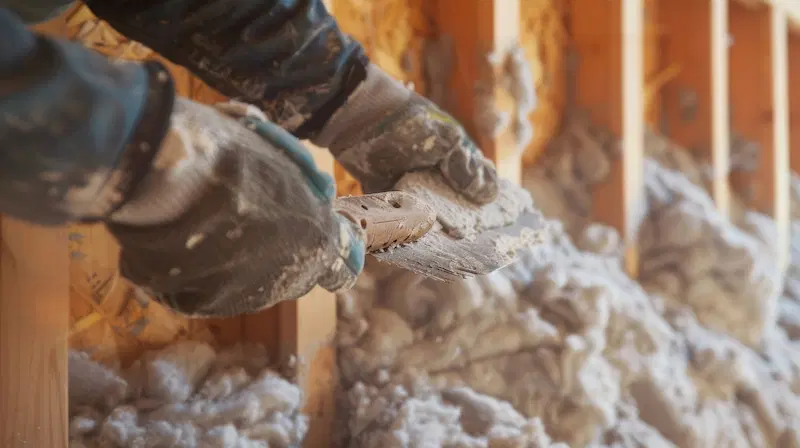
Cellulose fibre wall insulation to fill cavities

When Wall Insulation Should Be a Priority

Cost vs. Payback: What Gives the Best ROI?

Which area insulation gives the best return of investment? According to professionals, the best cost to energy savings and ROI is as follows:

Area UpgradeCostEnergy SavingsROI
AtticLow-MediumHigh⭐⭐⭐⭐⭐
BasementMediumMedium-High⭐⭐⭐⭐
WallsHighMedium
⭐⭐⭐

Attic insulation almost always delivers the fastest payback, often within 3–5 years, while wall insulation may take much longer to recoup.

What Should You Upgrade First?

For most Alberta homeowners, the ideal insulation upgrade order is:

Every home is different, but starting with the attic almost always delivers the biggest impact.

Ready to Compare Insulation Quotes in Alberta?

If you are planning an insulation upgrade, don’t guess or settle for one estimate.

Compare multiple insulation quotes from qualified Alberta contractors to find the best price, materials, and workmanship for your home. A few minutes of comparison can save you thousands in long-term heating costs and ensure your upgrade is done right the first time.


Fill out our short online form at no cost and receive free insulation quotes and start saving on energy bills this winter.

Spray Foam vs. Rockwool Soundproofing Costs

Rockwool is usually the more cost-effective and better-performing option for noise reduction, while spray foam is more expensive but offers added benefits like air sealing and thermal insulation.

On average, Rockwool soundproofing costs $1.50–$3.50 per square foot installed, whereas spray foam insulation ranges from $2.50–$5.00 per square foot, depending on whether open-cell or closed-cell foam is used.

Professional installation of Rockwool insulation

If your goal is to reduce noise between rooms or from outside, Rockwool typically delivers stronger sound absorption at a lower price. If you also need air sealing, moisture resistance, and energy efficiency, spray foam may justify its higher cost. 


The right choice depends on your budget, the type of noise you’re dealing with, and whether soundproofing alone, or soundproofing plus insulation is your priority.

Who Needs Soundproofing Insulation?

Soundproofing insulation is not just for recording studios or apartment buildings. If unwanted noise is affecting your comfort, sleep, focus, or privacy, soundproofing can make a noticeable difference.
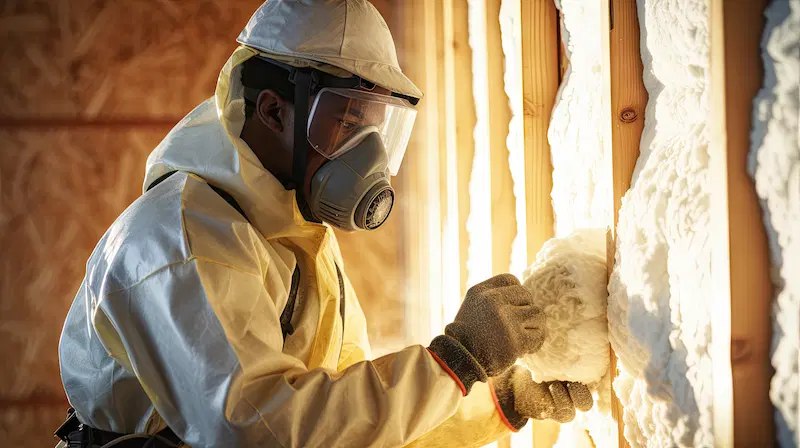
 

Below are the most common situations where soundproofing insulation like spray foam or Rockwool is especially advantageous.

Reduction of footstep noise in a condo

1. Homeowners Dealing With Outside Noise

If you live near busy roads, highways, airports, railways, or construction zones, outside noise can easily penetrate walls, ceilings, and floors. Soundproofing insulation helps reduce airborne noise such as traffic, sirens, and neighborhood activity, making indoor spaces quieter and more livable.

Best option: Spray foam for air sealing + rockwool for sound absorption.


2. Multi-Family Homes, Apartments, and Condos

In apartments, townhomes, and condos, noise often travels through shared walls, floors, and ceilings. Common issues include hearing neighbors talk, TVs, footsteps, or plumbing noise. Soundproofing insulation helps limit noise transfer and improves privacy between units.

Best option: Rockwool insulation in interior walls and ceilings due to its high density and sound absorption.


3. Home Offices and Remote Workers

With more people working from home, noise from family members, pets, or outdoor activity can seriously affect productivity. Soundproofing insulation helps create a quieter, more focused environment for video calls, meetings, and deep work.

Best option: Rockwool for interior walls; spray foam if outside noise or air leaks are also a problem.


4. Bedrooms and Nurseries

Light sleepers, shift workers, and parents with young children often benefit greatly from soundproofing. Noise from other rooms, neighbors, or the street can disrupt sleep patterns and overall well-being. Soundproofing insulation reduces sound transfer and creates a more peaceful sleeping environment.

Best option: Rockwool insulation paired with proper wall sealing.


5. Home Theatres, Media Rooms, and Gaming Rooms

Loud audio systems, gaming setups, and movie rooms can disturb the rest of the house or neighbors. Soundproofing insulation helps contain noise inside the room, improving sound quality while keeping other spaces quiet.

Best option: Rockwool for sound absorption; spray foam for sealing gaps and preventing sound leaks.


6. Music Rooms and Practice Spaces

Musicians, podcasters, and content creators need soundproofing to prevent sound from escaping—and to improve acoustics inside the room. Insulation reduces echo, vibration, and sound transmission through walls and ceilings.

Best option: Rockwool due to its superior acoustic performance, often combined with additional acoustic treatments.


7. Homes with HVAC, Plumbing, or Mechanical Noise

Mechanical systems like furnaces, air handlers, water pipes, and laundry rooms can produce constant background noise. Soundproofing insulation helps dampen vibrations and reduce noise transfer into living spaces.

Best option: Rockwool around mechanical rooms; spray foam to seal gaps and penetrations.


8. Property Owners and Landlords

Soundproofing can increase tenant satisfaction, rental value, and long-term occupancy. Reducing noise complaints is especially important in rental properties and short-term rentals where comfort and privacy are major selling points.

Best option: Rockwool for interior sound control; spray foam for exterior walls and noise-prone areas.


Our insulation partners will be happy to provide your options based on your space, needs, and budget. Just fill out the short online form on this page and receive FREE QUOTES to compare.

Which Is Cheaper and More Effective?

Cost is often the deciding factor when choosing soundproofing insulation, and the price difference between Spray foam and Rockwool can be significant. 


While both materials reduce noise, they do so in very different ways, and at very different price points. Spray foam typically costs more because it requires professional installation and specialized equipment, whereas Rockwool is generally more affordable and easier to install.

Understanding which option is cheaper is not just about the material price alone. Installation method, wall type, labor costs, and whether you are soundproofing interior or exterior spaces all play a role in the final cost.


In the sections below, we will break down how spray foam and Rockwool compare in terms of material costs, installation expenses, and overall value for soundproofing.


Spray Foam Insulation

Rockwool Insulation

The bottom line is that for sheer soundproofing, Rockwool is usually the better choice. For combined thermal insulation and air sealing, spray foam works well, but costs more.


Would you like to get an accurate quote for your space? Request free quotes from top insulation contractors near you by filling out the short online form below.

Sample Prices Based on Square Footage per Type of Soundproofing

Pricing for soundproofing insulation varies based on material type, installation complexity, room layout, and whether you are going DIY or professional. Below is a breakdown of typical market prices per square foot for the most common soundproofing insulation options, including spray foam and Rockwool, so you can estimate costs more accurately.

Soundproofing Price Guide (Per Square Foot)

Insulation TypeCost of MaterialsCost of InstallationAverage Cost (Installed)
Features
Rockwool$0.90-$2.50$1.50-$3.50$2.40-$6.00Excellent sound absorption; DIY work possible
Open Cell Spray Foam
$1.50-$3.00$1.50-$2.50$3.00-$5.50Good air sealing and moderate soundproofing
Closed-cell spray foam
$3.00 – $5.00$2.00-$3.50$5.00-$8.50Better moisture resistance but higher cost
Fibreglass Batt
$0.50-$1.50$1.00-$2.00$1.50-$3.50Cheapest price, moderate performance
Acoustic Panels
(add-on)
$2.00-$5.00DIY and professional$2.00-$5.00Supplemental soundproofing
Mass-loaded vinyl
(barrier)
$1.80-$3.50$1.50-$2.50$3.30-$6.00For heavy soundproofing, used with insulation

Note: These are average price ranges; actual costs may vary by region, contractor rates, wall accessibility, and project specifics.

What do these Prices Mean?

Rockwool: Best Cost-to-Noise Reduction Ratio

Rockwool typically offers the best balance of price and soundproofing performance:

Installed cost estimate: $2.40–$6.00 per square foot
The price and benefits make Rockwool one of the most cost-effective soundproofing insulation materials.


Spray Foam Insulation – Higher Cost, Added Benefits

Although spray foam is more expensive, it effectively seals air leaks and improves thermal performance, which can significantly increase overall home comfort beyond just soundproofing.

Open-cell spray foam:

Installed cost: $3.00–$5.50 per sq ft

Closed-cell spray foam:

Installed cost: $5.00–$8.50 per sq ft

Spray foam is particularly effective for exterior walls or attic spaces as it seals air leaks and improves insulation performance. 
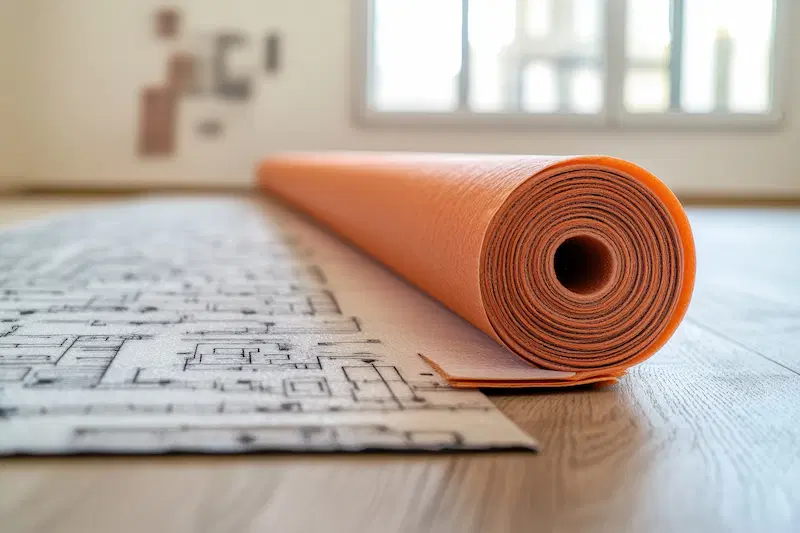
 

Other Options to Consider 


Fiberglass (Acoustic Batts): The cheapest option but not as effective as Rockwool. Best used in budget builds or secondary spaces where soundproofing is moderate.


Mass-Loaded Vinyl (MLV): It is not insulation by itself but is often paired with Rockwool to block sound through walls and ceilings. Adds around $3–$6 per sq. ft. installed.


Acoustic Panels: Best as a complement to other insulation if internal room acoustics (echo/clarity) are a focus.

Example Total Costs by Room Size

Room SizeRockwool
(Installed)
Open-Cell Spray Foam InstalledClosed-Cell Spray Foam Installed
100 square feet$240-$600$300-$550$500-$850
250 square feet
$600-$1,500$750-$1,500$1,250-$2,200
500 square feet
$1,200-$3,000$1,500-$2,800$2,500-$4,200

These estimates may vary but they can help you budget before calling contractors and decide whether professional installs or DIY makes sense.

Example Total Costs by Room Size

Certain factors are taken into account when contractors provide their actual price.
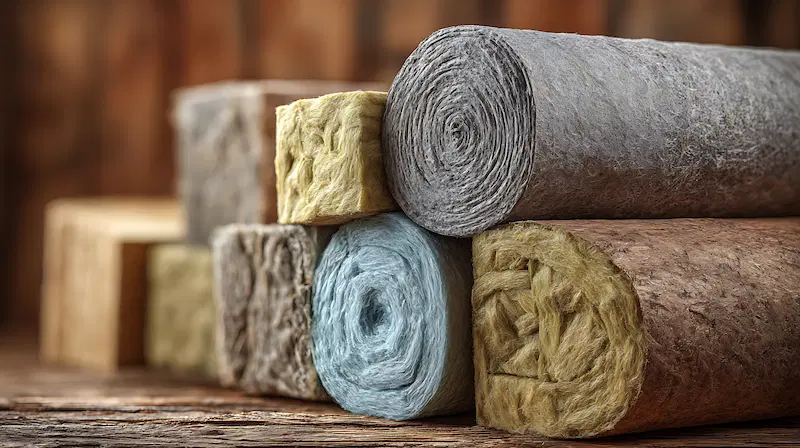
Ready to Soundproof Your Home? Get Free Quotes Today

Choosing the right soundproofing insulation can make a huge difference in your comfort, privacy, and overall home value. 
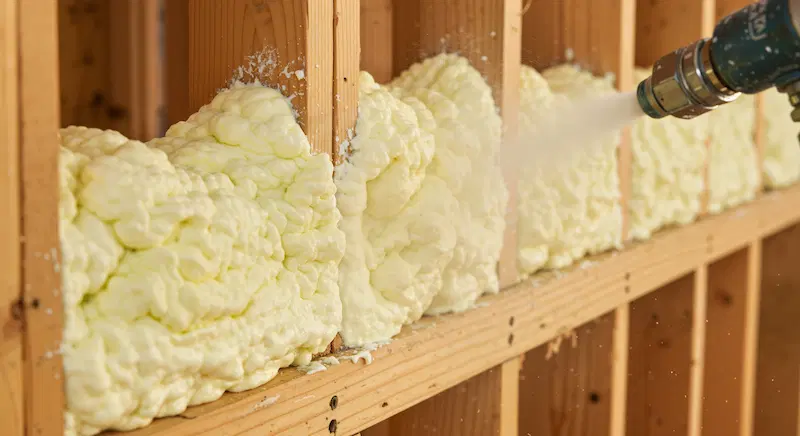
 

Rockwool offers excellent sound absorption at a moderate cost, while spray foam adds the benefits of air sealing and energy efficiency, though at a higher price. Some homeowners even combine both for maximum noise reduction and insulation performance.
 

No matter your budget or project size, the first step is getting accurate pricing from trusted local contractors.

Comparing quotes ensures you find the best deal and the right solution for your home, whether you are finishing a bedroom, building a home theatre, or sealing exterior walls against outside noise.


Get free quotes tailored to your project today to find the best price for soundproofing insulation from reputable contractors near you!

Fireproof Insulation Cost and Options in Alberta

Fireproof insulation costs in Alberta can vary widely, depending on the material used, the required fire rating, and how the insulation is installed. 


Most homeowners and property owners can expect to pay between $2.50 and $7.50 per square foot installed, with lower-cost options suitable for basic fire separation and higher-priced systems designed for stricter code requirements or improved energy performance. 

Contractor installing insulation in a new construction

Because multiple insulation systems can meet Alberta Building Code standards at different price points, comparing quotes is the most reliable way to understand actual costs and choose the right fire-resistant insulation for your project.


You can start by filling out the short online form on this page to receive no-obligation quotes from our insulation partners.

What Is Fireproof Insulation?

The term fireproof insulation is commonly used, but technically, most products are fire-resistant, not fireproof.


Fire-resistant insulation is designed to:

In Alberta, insulation performance is typically evaluated as part of a fire-rated assembly, which includes:

That’s why quotes can vary significantly; two contractors may recommend different systems to meet the same fire rating.

Why Fire-Resistant Insulation Matters in Alberta

Fire-resistant insulation plays a major role in Alberta buildings due to:

Fire-rated insulation is often required in:

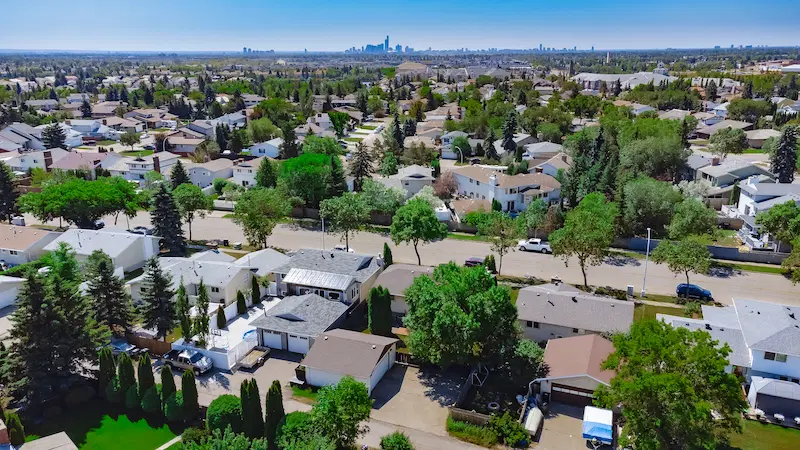
Residential neighbourhood in Alberta

Choosing the wrong insulation type or insulation contractor can lead to inspection failures or costly rework.


You can compare offers from multiple insulation contractors near you using our free online form today.

Is Fireproof Insulation Worth the Investment?

For most Alberta property owners, fire-resistant insulation provides:

In rental or multi-family properties, it can also reduce liability and long-term risk.

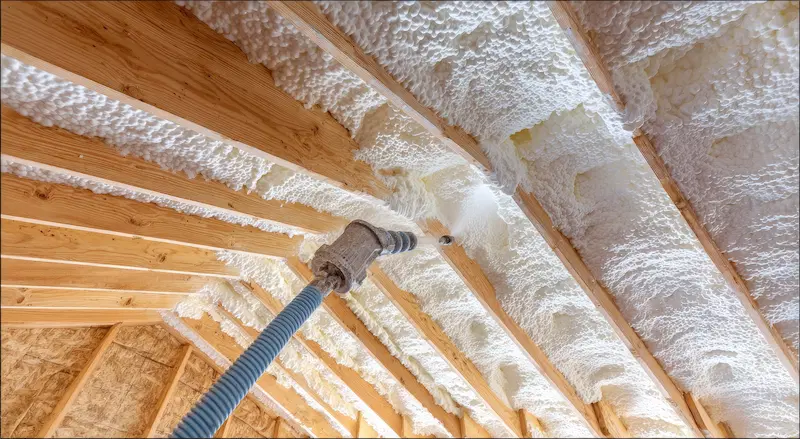
Spray foam insulation in the roof

Fireproof Insulation and Energy Efficiency


Fire resistance and energy efficiency are not mutually exclusive. Many Alberta projects use:

When comparing quotes, it’s important to look beyond price and consider:

Alberta Building Code and Fire Ratings

Fireproof insulation pricing is heavily influenced by code requirements, including:

Below are some examples that can further explain your options:

Insulation contractor working on walls during a home renovation

This is why quotes can vary — contractors may propose different assemblies that all meet code, but at different price points.

Fireproof Insulation Cost in Alberta: What to Expect

Fireproof insulation costs in Alberta can vary widely, depending on the material used, the required fire rating, and how the insulation is installed.


Most homeowners and property owners can expect to pay between $2.50 and $7.50 per square foot installed, with lower-cost options suitable for basic fire separation and higher-priced systems designed for stricter code requirements or improved energy performance. 


Because multiple insulation systems can meet Alberta Building Code standards at different price points, the best way to get value for your money is by comparing quotes from multiple contractors. A side-by-side comparison will let you choose the right fire-resistant insulation for your project based on your needs and budget.

Fireproof Insulation Cost Comparison in Alberta

Fireproof insulation costs in Alberta vary depending on the material, required fire rating, and installation method. 


The table below provides typical installed price ranges to help homeowners and property managers compare common fire-resistant insulation options before requesting quotes. Actual pricing may vary based on project size, location, and Alberta Building Code requirements.

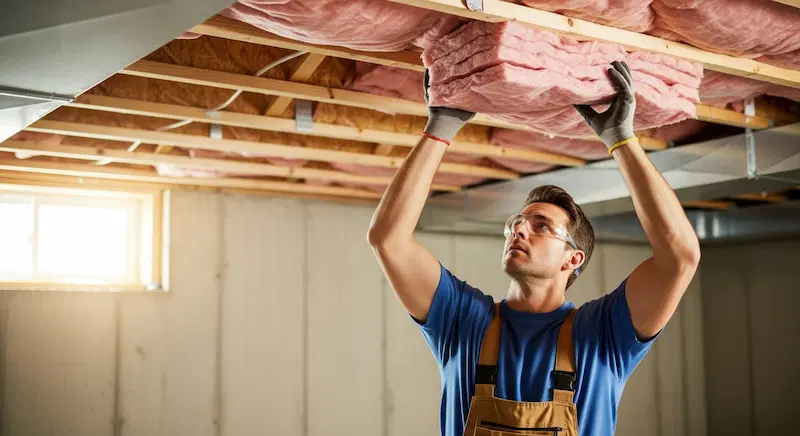
Worker installing insulation in the ceiling using pink fibreglass
Insulation Type Average Cost Installed (Per Sq. Ft.) Fire Resistance Level Common Applications Notes for Comparison
Mineral Wool/Rockwool $2.50 – $4.50 Very high (non-combustible) Fire separation walls, garage, basement ceilings, multi-family units Adds soundproofing, meets Code requirements
Fire-rated spray foam $4.50 – $7.50 High (with thermal or combustion barrier) Attics, crawl spaces, commercial properties, irregular spaces Higher cost, reduces air leaks and heating costs
Fibreglass (Fire-rated assembly) $1.50 – $3.00 Moderate Low-risk areas, budget projects, walls with added drywall Lower cost of materials but price could increase with added fire protection
Hybrid Systems (Mineral wool + Spray Foam) $3.50 – $6.50 Very High Energy-efficient homes Fire-resistance and air sealing

*Fibreglass pricing shown reflects insulation material and basic installation; additional fire-rated drywall or barriers may increase total project cost.


Average cost per square foot is a helpful starting point, but it doesn’t tell the full story. Fireproof insulation pricing in Alberta can change based on fire rating requirements, installation method, and how each insulation system is assembled to meet code. 


Comparing several quotes with similar square-foot prices may deliver different levels of fire protection, energy performance, and long-term value. Comparing multiple insulation quotes allows you to see exactly what’s included, confirm code compliance, and choose the fire-resistant option that best fits your property and budget, without risking costly corrections later.


Request for free quotes from reputable insulation contractors near you by using our free online form today.

Compare Fireproof Insulation Quotes in Alberta

Fireproof insulation costs can vary significantly from one contractor to another, even for the same property and fire rating requirements. 


Materials, installation methods, and code-compliant assemblies all influence final pricing. Rather than relying on averages alone, comparing multiple quotes helps you understand what each contractor is offering and how those options align with your budget, safety needs, and Alberta Building Code requirements.


Requesting free quotes allows you to:

By reviewing multiple insulation quotes, you can make an informed decision with confidence, knowing you have explored your options and selected the right fireproof insulation system for your Alberta property.

Get quotes using our short online form to connect with top insulation contractors in your area!

Fill out our request form and receive NO OBLIGATION quotes to compare and save money.

Top Rated Insulation Contractors in Calgary: Quotes & Cost Estimates

If you’re looking to make your Calgary home more energy-efficient, comfortable, and ready for Alberta’s harsh winters, upgrading your insulation is one of the smartest investments you can make. 


With so many insulation contractors in Calgary, how do you know who to trust and what is a fair price?

Insulation contractor at a job site

When speaking of top-rated insulation contractors in Calgary, several companies stand out including Western Insulation, Enerliv Energy Solutions, Calgary Spray Foam Pros, Attic Rain Insulation, and EcoStar Insulation, all known for their professional service, transparent pricing, and certified technicians.

On average, insulation installation in Calgary costs between $2.50 and $6.00 per square foot, depending on the material (fibreglass, spray foam, cellulose, or blown-in), R-value, and size of the home.


This guide breaks down everything you need to know — from comparing quotes and materials to understanding rebates and choosing the best contractor in Calgary for your needs.


If you want to compare actual quotes tailored to your needs, please fill out the short online form on this page at NO COST.

How do you know you need new Insulation?

If you are uncertain whether you need new insulation, look out for these telltale signs:

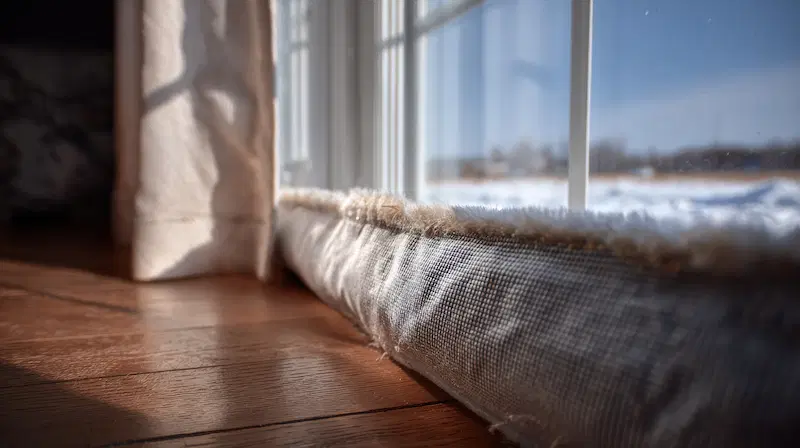
Fabric under a window to stop cold air

Even if your home feels fine, insulation degrades over time – especially fibreglass batts that compress or get damp. A quick inspection from an energy advisor can reveal areas with hidden heat loss.

The Importance of Insulation in Calgary’s Climate

Calgary’s weather can swing from freezing cold winters to hot, dry summers — and insulation plays a major role in keeping your indoor temperature stable.


A well-insulated home reduces heat loss in the winter and prevents hot air from entering during summer. That means lower energy bills, fewer drafts, and better comfort year-round.

Concept of rising heating bill due to poor insulation

Without proper insulation, you could be losing up to 30% of your home’s heat through the attic, walls, and floors. You are paying for energy that literally escapes through the windows. 


Schedule your home or attic insulation with our partner insulation contractors by filling out the short online form on this page.

What is the Average Insulation Cost in Calgary?

Calgary insulation costs vary based on the type of material, the size of your home, and the accessibility of the area (attics and crawlspaces can be tricky).

Here’s a quick breakdown of what you can expect this year:

Type of Insulation

Average Cost
(Per Sq. Ft.)

Estimated Cost
for 1000 Sq. Ft.

Ideal For

Fibreglass Batts

$2.00 – $3.00

$2,000 – $3,000

Walls, ceilings, and DIY installations

Blown-in Cellulose

$2.50 – $4.00 

$2,500 – $4,000

Attics and retrofits

Spray Foam
Closed-Cell

$4.50 – $6.50

$4,500 – $6,500

Maximum air sealing and moisture

Rigid Foam Board

$2.50 – $5.00

$2,500 – $5,000

Exterior walls and basement foundations

Check that you compare itemized quotes. A detailed estimate shows the cost of materials, labour, equipment, and miscellaneous charges. This will make it easier for you to compare contractors for the same products and quality.

What Factors Affect the Cost of Insulation in Calgary?

When comparing quotes, it’s important to understand why prices vary among contractors. Here are the main factors influencing your total cost:


1. Type of Material

Spray foam typically costs more but provides superior air sealing and higher R-values. Fibreglass and cellulose are cheaper upfront but may not perform as well in older homes with air leakage.


2. Home Age and Condition

Many older homes require air sealing, repairs to vapour barriers, or improvements to attic ventilation before insulation can be upgraded. This will increase labour time and materials, and ultimately, your bill. 


3. Accessibility

If your attic has low clearance or if insulation needs to be added behind finished walls, the project will cost more due to increased labour and removal.


4. R-Value Target

The higher the R-value you want (a measure of thermal resistance), the more material is required. Calgary homes typically aim for:

Understanding what drives insulation prices helps you see beyond mere costs. Two contractors can give different estimates for the same work. However, upon closer inspection, you may see that one contractor has included air sealing and cleanup in the quote while the other contractor has not.


The key is to focus on long-term performance, not just the upfront cost. Paying a bit more for the right material and skilled installation can mean lower heating bills, fewer repairs, and greater comfort all-year-round in Calgary’s unpredictable climate.

Spray Foam vs. Blown-In vs. Fibreglass: Which Is Best in Calgary?

Choosing the right insulation type isn’t just about cost — it’s about performance in Calgary’s specific conditions.

Spray foam insulation being applied to the attic roof
Spray Foam Insulation
Blown-In Cellulose
Fibreglass Batts

In Calgary, a hybrid approach is often the best strategy. For example, spray foam in the basement and blown-in cellulose in the attic optimizes cost and efficiency.

Connect with reputable contractors about your insulation needs.
Receive FREE and NO OBLIGATION quotes to compare.

How Long Does Insulation Installation Take?

On average, a home insulation project in Calgary takes:

Rolls of insulation material in a loft

Spray foam projects are typically faster because the foam expands and cures within hours. Blown-in cellulose can be completed in a day but requires prep and cleanup time.

Rebates and Incentives in Calgary for Insulation Upgrades

Here’s more good news. Homeowners can still access energy rebates in 2025 to reduce the cost of insulation upgrades.

Electricity usage improved with good insulation

Here’s more good news. Homeowners can still access energy rebates in 2025 to reduce the cost of insulation upgrades.


1. Canada Greener Homes Grant (Phase-Out, Limited Availability)

Some homeowners who already applied may still qualify for up to $5,000 in rebates for insulation, windows, and heat pumps.


2. Home Efficiency Rebate Plus (HER+)

Administered by Enbridge and Natural Resources Canada, HER+ offers:

You will need a pre- and post-energy audit from a certified energy advisor to qualify.


3. City of Calgary Home Energy Loan Program (HELP)

This local program allows you to finance energy upgrades at low interest rates, and repay through your property tax bill. Insulation projects qualify if they meet certain energy improvement thresholds.


Energy rebate programs don’t last forever and funding can run out fast. If you are planning a home insulation upgrade, don’t lose any more time.


Speak to insulation contractors in your area to learn how much you will need. They can also give you more details about rebates and low-interest financing in Calgary


Fill out the short online form right now to connect with top-rated insulation contractors near you.

DIY or Professional Installation: Which Is Better?

DIY insulation can sound cheaper at first, but it is not always the best idea, especially with materials like spray foam that require specialized equipment and safety gear.

DIY pros:

DIY cons:

For most Calgary homes, professional installation delivers better long-term savings, increased comfort, and peace of mind.


Calgary homeowners often notice these benefits after insulation:

With average heating bills around $150–$300 a month during winter, your investment can pay for itself in 3–5 years through energy savings alone.

The Best Season for Insulation Upgrades

Timing your insulation project matters more than most homeowners realize. In Calgary’s unpredictable climate, choosing the right season can make your upgrade smoother, faster, and even cheaper.

Worker installing insulation on the floor

Spring and Fall: The Ideal Seasons


Most insulation experts agree that spring and fall are the best times to schedule insulation work. The weather is mild, contractors are less busy than during the peak of winter or summer, and you can prepare your home before the extreme temperatures hit.

These shoulder seasons also make attic and crawlspace work easier since installers won’t have to deal with freezing or sweltering conditions, which can slow down the job and affect material performance.


It is still possible to do insulation work in winter and summer, but extreme temperatures come with challenges.

If your insulation is severely outdated or your energy bills are skyrocketing, don’t wait for the perfect time. Professional contractors in Calgary are equipped to handle installations all-year-round.

Get Your Free Insulation Quotes in Calgary Today

Insulation is not just a home upgrade; it’s an investment in your comfort, health, and long-term energy savings. 


Calgary’s extreme temperature swings make proper insulation one of the most impactful improvements you can make.

Before hiring anyone, compare quotes from top-rated Calgary insulation contractors. You will quickly see which companies offer the best combination of price, expertise, and customer care.


Hire a certified insulation contractor to ensure top-quality results and make you eligible for these savings programs. Combined with lower monthly utility bills, the rebates can significantly cut your total project cost and speed up your return on investment.


In short, upgrading your insulation today means you’ll save twice — once from rebates and again from reduced energy use for years to come.

Whether you’re upgrading your attic, basement, or the whole home, take the first step today. Request your free insulation quotes and see how much you can save on energy bills this year.

Cellulose vs Fibreglass vs Rockwool Insulation — Price comparison

When it comes to keeping Alberta homes warm and energy-efficient, insulation plays a significant role.


But with several materials on the market, including cellulose, fibreglass, and Rockwool (mineral wool), it can be difficult to decide which one offers the best value for your money.

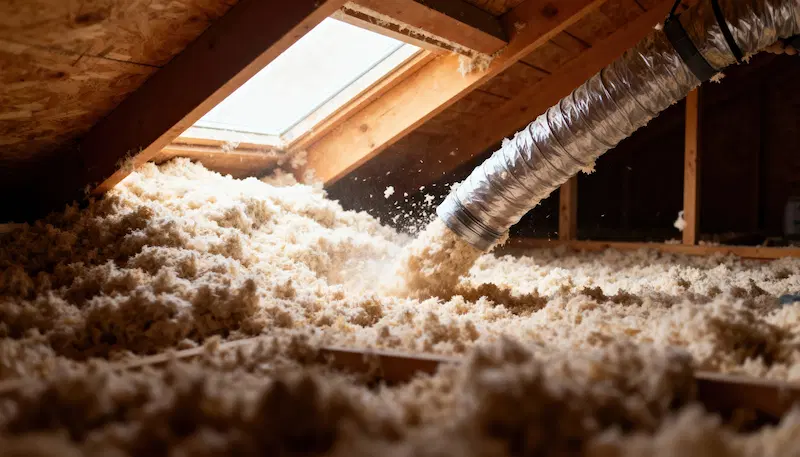
Close-up of cellulose insulation in the attic

Each type has its own strengths in terms of cost, performance, and durability. In this guide, we will compare the performance and cost of these three popular insulation materials, especially in Alberta’s cold climate. We aim to help you make a confident choice for your next upgrade.

Fibreglass is usually the cheapest option up-front. Cellulose is the mid-range option, and often gives the best cost-to-performance value for attic retrofits. Rockwool (mineral/stone wool) is typically the most expensive but offers superior fire resistance, better sound control, and greater durability.

The “best” choice depends on your budget, your insulation needs, and if you value fire and acoustic performance enough to pay extra. 


Are you ready to discover which insulation type can help you save more money? Don’t just rely on averages since every house is different. 


Get free, no-obligation quotes from trusted local insulation contractors and compare real prices for cellulose, fibreglass, and Rockwool installations. Just fill out the short online form on this page today to save time and money.

Why is this important for Alberta homeowners?

Winters in Alberta are long and cold, and heating costs are a major household expense. 


Choosing the right insulation affects comfort, moisture control, noise, and your monthly energy bills. If you are getting quotes from insulation contractors, knowing the typical R-values, average installed costs for materials and labour, and the pros and cons for each type will help you compare apples to apples.

Concept of warmth inside the home in winter

We will guide you through each material, detailing the average costs you can expect in Alberta, along with practical buying tips so you can evaluate quotes like a pro.

R-value and Installation Types to Consider

Understanding R-value and installation methods is essential for comparing insulation options. These are two key factors that affect performance and pricing.


The R-value indicates how effectively a material resists heat flow, while the installation method of installation affects the overall efficiency of the insulation. In Alberta’s cold climate, both factors play a big role in the warmth and energy efficiency of your home in winter.

R-value measures thermal resistance; the higher the R-value, the better the results. For retrofit work, “R per inch” is the measurement used. In Alberta, the recommended target is R-60,   depending on local needs and existing construction.


Common installation methods: Batts or blown-in (loose-fill) for attics or dense-pack in walls, and spray/wet-spray cellulose for certain wall jobs. .Blown-in cellulose or fibreglass requires a blower and crew, while batts need more time to cut and fit in frames. Dense-pack installed in walls is more specialized and costly.

The Pros & Cons per Material Type

Each type of insulation – cellulose, fibreglass, and Rockwool – has its own advantages and disadvantages in terms of cost, performance, and long-term durability.


Understanding these differences will help you choose the material that fits both your budget and your home’s specific needs. Let’s examine how each one performs under local conditions, including energy efficiency to moisture resistance and fire safety.

Contractor installing mineral wool panels for insulation

Cellulose (blown-in / dense-pack)

Fibreglass (batts or blown)

Rockwool / Mineral Wool

Typical Prices Quoted by Contractors

Prices vary by city, and factors like accessibility, removal of old insulation, and air sealing affect the final cost. Below are typical installed cost ranges you can expect for materials and labour, per square foot.

Example of insulation cost for 1,000 sq. ft. attic:

These prices can go higher if you add air sealing, removal, and attic access work

Insulation prices in Alberta can vary widely, not just based on the type of material, but also among the different contractors. It is advisable to compare multiple written quotes for the same job specifications.


Comparing at least three detailed estimates will help you find the best price and avoid overpaying for the same material, installation type, and R-value.


In short, the more informed you are, the better deal you can get for your insulation investment.

Installation and Durability Considerations

When choosing which type of insulation is best for your home, don’t just look at the price.

Spray foam insulation filling attic rafters

1. Air Sealing

Insulating a leaky attic is a waste of money. Professionals recommend air sealing of gaps, ducts, attic hatch, chimneys, and top plates before adding insulation. 


2. Moisture management

Cellulose can absorb moisture; ensure roof leaks and ventilation are addressed first. Mineral wool resists moisture better.


3. Vermin & pests

Cellulose may attract rodents if there are easy access points; proper sealing and rodent-proofing solve most concerns.


4. Settling & compression

Quality installers dense-pack or use correct techniques to avoid long-term settling; poorly installed fibreglass batts can be compressed and lose R-value.


5. Combustion appliance safety

Maintain clearances around chimneys and flues; some materials are safer around hot surfaces than others. Rockwool’s non-combustibility is an advantage here.

When Is the Best Time for an Insulation Upgrade in Alberta?

The ideal time to upgrade insulation in Alberta is late spring through early fall, generally May to September


During these months, the weather is mild, attics and crawl spaces are easier to access, and contractors have more flexible schedules. Installing insulation before the first freeze ensures your home is sealed and ready for Alberta’s long, cold winter.

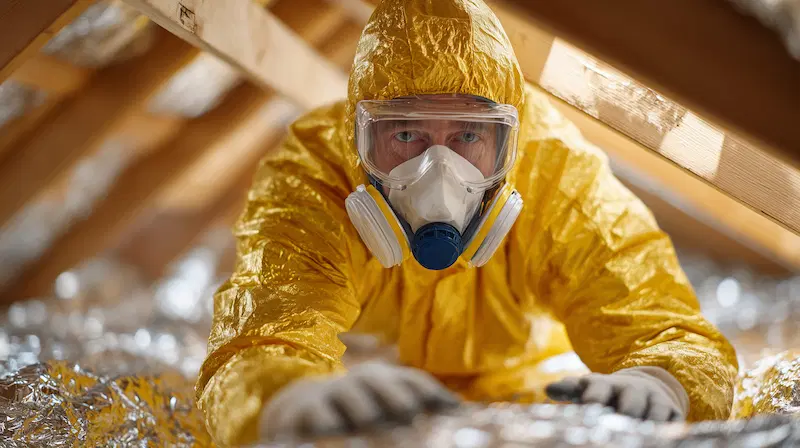
Worker replacing insulation wearing PPE

If you’re planning an attic insulation upgrade, spring and early summer are also perfect because contractors can safely work in the space without extreme heat or frost. For wall or crawl space insulation, early fall is often best, temperatures are still moderate, and you will immediately notice the extra comfort when the heating season begins.


Insulation can be done any time of the year, especially if you are experiencing major heat loss, high energy bills, or noticeable cold drafts.  However, keep in mind that extreme weather conditions can slow down the installation and increase the cost.

Which material should you choose in Alberta?

If budget is the major concern, fibreglass (batts or blown) is the least expensive if installed correctly with proper air sealing.


If you want the best value for retrofitting attics, cellulose can fill gaps and provide a competitive R-value and sustainability.

Blown-in cellulose insulation installation

If you want fire safety, noise control, and long-term stability, Rockwool is worth the extra cost, especially in wall cavities where thin assemblies need higher R/inch or in assemblies where fire resistance is a priority.

Rebates & Incentives in Alberta for Insulation Upgrades

Upgrading your home’s insulation is a smart investment. Fortunately, rebates and financing support are available in Alberta to help offset the cost. Here’s what you need to know.

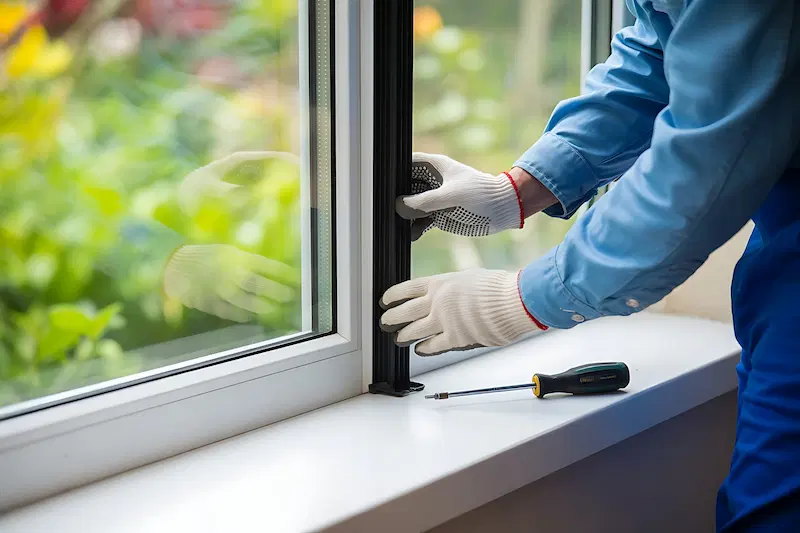
Weather stripping windows for improved insulation

Qualifying for Rebates


A pre-retrofit home energy assessment is often required before upgrades, and a follow-up evaluation after the work. 


The upgrade must improve insulation by a certain threshold, for instance, insulate a minimum of 20% of the attic/ceiling. 


You must work with eligible contractors or follow program-approved procedures.  Some programs have caps, maximum rebate amounts, and/or limited funds. 


Local contractors can also provide more information about programs that are available in your area. Compare insulation contractors using our short online form today.

How to get the best price for Home insulation in Alberta

Choosing between cellulose, fibreglass, and Rockwool insulation is not just about picking the cheapest option. Instead, find the best long-term value for your home.


Fibreglass is cheaper initially, but cellulose offers a great balance of price and performance. On the other hand, Rockwool or mineral wool delivers top-tier protection and fire safety.


The key is to choose insulation that fits your budget, comfort goals, and Alberta’s demanding climate.

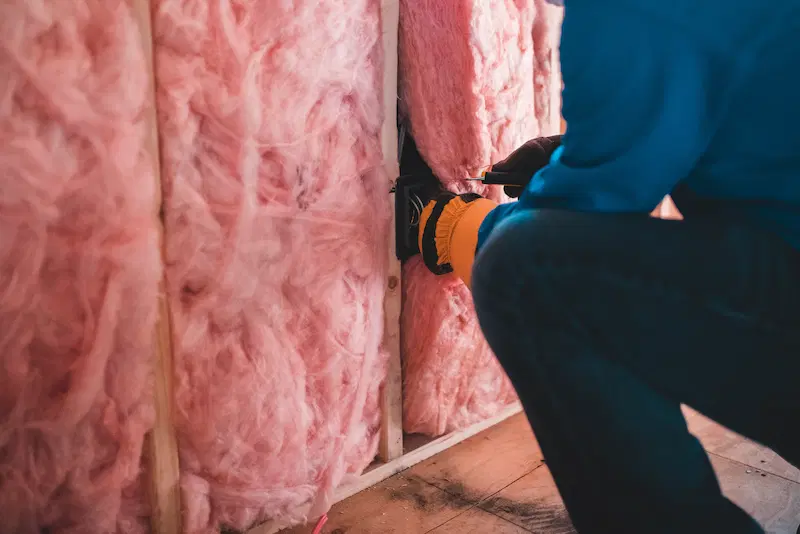
Pink insulation material for the home

Regardless of your final choice, professional installation and proper air sealing make a significant difference. A well-insulated home keeps you warmer in winter, cooler in summer, and saves you hundreds of dollars in energy costs every year.


Ready to find the right insulation contractor near you? Get free, no-obligation quotes from trusted Alberta professionals and compare prices for cellulose, fibreglass, or Rockwool insulation. A few minutes of research now result in years of comfort and significant savings on your heating bills.


Fill out the short online form on this page TODAY to get your free and no-commitment quotes for home insulation.

Best Insulation Contractors in Edmonton: Attic, Spray Foam, and Other Options

If you want to improve your home’s comfort and energy efficiency, the first step is to hire one of the best insulation contractors in Edmonton. 


The top-rated insulation companies in Edmonton, based on reputation, customer satisfaction, and range of services, include:

Spray foam and other insulation solutions in Edmonton

These contractors stand out for reliability, customer feedback, and compliance with Alberta building codes. Whether you are insulating a new home or upgrading an older home, these professionals can help you achieve measurable energy savings.


We will walk you through what to look for, how to compare quotes, the major insulation types, cost drivers, and a checklist to select the best contractor to confidently pick the right partner for your insulation project. 


To find the best price for your attic insulation, simply fill out the short online form on this page and receive FREE and NO-OBLIGATION quotes.

What the Best Insulation Contractors in Edmonton Offer

When we talk about the “best insulation contractors” in Edmonton, we refer to companies that deliver these key services:

When insulation is done properly, you will benefit from lower heating and cooling costs, consistent indoor comfort, a lower risk of moisture or condensation issues in walls and attic, and increased home value. 


We can connect you with reputable insulation contractors in your area at no cost. Just fill out the short online form on this page to receive free offers.

Why Insulation Matters in Edmonton’s Climate

Edmonton’s long winters and fluctuating temperatures make high-quality insulation a necessity. Proper insulation keeps your home warm in winter and cool in summer, and reduces your monthly energy bills.

High-quality insulation benefits include:

If your furnace runs constantly, or if you notice drafts, or your attic shows signs of heat loss, we recommend finding a reliable Edmonton insulation contractor.

Types of Insulation Available in Edmonton

Insulation comes in many forms, each suited for different parts of your home and varying budgets. Here’s a breakdown of the most popular insulation types used by contractors in Edmonton:


1. Spray Foam Insulation

Spray foam is a premium option that creates an air-tight seal and a high R-value per inch. It’s ideal for walls, crawl spaces, attics, and basements.

2. Blown-In (Loose-Fill) Insulation

Commonly used for attic top-ups and retrofit projects, blown-in insulation is affordable and efficient.

3. Batt or Blanket Insulation

This fibreglass or mineral wool option is widely available and cost-effective.

4. Rigid Foam Board

A strong, moisture-resistant insulation ideal for basements, foundations, and exterior walls.

5. Blown-in Cellulose

Cellulose is made from recycled paper products treated with fire retardants, making it effective for attics and walls.

Yellow fibreglass insulation on the floor

Whatever type of insulation you choose, the key is matching the right material to your home’s unique needs and Alberta’s extreme weather. 


It is not just about achieving R-values; rather, it is ensuring your long-term comfort, lower energy bills, and lasting protection from the cold. 


A trusted local contractor can assess your home and recommend the most efficient combination of materials to keep it warm, quiet, and energy-smart all year round.

Attic Insulation: First Line of Defence in Edmonton

The attic is a significant source of heat loss in any home. Homeowners in Edmonton often discover that adding or replacing old attic insulation results in immediate improvements in comfort and savings on monthly bills.

Attic insulation upgrade in progress for thermal efficiency

Recommended attic R-values for Edmonton:

Signs You Need an Attic Insulation Upgrade:

Edmonton attic insulation contractors perform a thermal inspection and recommend suitable materials such as fibreglass batts, cellulose, or blown-in insulation to maximize performance.

Spray Foam Insulation: The Premium Choice for Edmonton Homes

Spray foam insulation has become increasingly popular in Edmonton due to its superior air-sealing and moisture resistance. It is particularly effective in basements, crawl spaces, and rim joists where traditional insulation fails to prevent drafts.

Yellow spray foam insulation installed in walls
Advantages of Spray Foam:

Although spray foam can cost more upfront, the long-term energy savings often offset the extra expense within a few years.

Comparison of Costs: Spray Foam, Cellulose, and Fibreglass Insulation

Understanding the variations in the prices of insulation materials can help you make the most informed choice when preparing your budget.

A worker holding an insulation material for installation

Prices vary by home size, accessibility, and insulation depth, but here’s how the most common options compare in Alberta:


1. Spray Foam Insulation

Spray foam is the top choice for homeowners who want maximum energy efficiency and long-term value. It expands to fill gaps and seals air leaks that other insulation types usually miss. While it is more expensive upfront, it offers the highest R-value per inch and can reduce heating bills by up to 50% in some homes. Its moisture resistance and durability make it most suitable for Alberta’s cold, dry climate, particularly in older homes.


2. Cellulose Insulation

Cellulose is made from recycled paper products that have been treated to resist fire and pests. It is a mid-range option for quality insulation that offers solid performance. Many Alberta homeowners choose cellulose for attic top-ups or older homes because it provides good coverage even in irregular spaces. It is also popular because it is eco-friendly and allows homeowners to reduce their carbon footprint.


3. Fibreglass Insulation

Fibreglass batts or rolls are the most affordable insulation material on the market. They are easily available, can be installed easily, and perform well when installed correctly with proper air sealing. However, fibreglass can lose effectiveness if compressed or exposed to moisture, so it’s best for dry areas with consistent temperatures.


Which Material Offers the Best Value?


For long-term savings, spray foam delivers the greatest return on investment, thanks to its superior air-sealing properties and durability. However, if you’re upgrading an attic or looking for a budget-friendly improvement, cellulose and fibreglass provide excellent short-term value, especially when paired with Alberta’s home energy rebates.


Ultimately, the best option depends on your home’s layout, budget, and future plans. An experienced Edmonton insulation contractor can inspect your home and recommend the ideal balance of performance and cost-efficiency.

DIY vs. Professional Insulation Installation

While DIY insulation may seem less expensive, it often leads to poor coverage and reduced energy savings. Professional contractors bring:

Spraying foam insulation in a new construction

If you are planning spray foam or large attic upgrades, hiring a certified insulation contractor in Edmonton ensures better performance and warranty protection.


Compare actual prices for your insulation project with free quotes from our insulation partners. Experienced contractors can even point you to available rebates that can save you more money on your insulation upgrades.

What to Look for in an Edmonton Insulation Contractor

Choosing the right insulation professional can make or break your project. Here are key factors to consider when comparing quotes:

You can start comparing insulation contractors near you by requesting free quotes using our short online form.

Insulation Rebates and Incentives in Alberta (2025)

Upgrading your insulation in Edmonton could make you eligible for several rebates and incentives:

Check current eligibility and requirements before starting your project because these programs change annually.

Get Free Insulation Quotes in Edmonton

Are you ready to upgrade your home’s comfort and lower your energy bills? Compare multiple quotes from licensed and vetted insulation contractors in our network.


Our quotes comparison service makes it easy to get free and no-obligation quotes to help you find the best deal that meets your budget and expectations.


Our free quotes service helps you:

Compare free quotes from Edmonton’s top insulation contractors and see how much you can save on your next upgrade. Just complete our short online form on this page today!

Attic Insulation Prices in Alberta: What You Need to Know

When it comes to keeping your home comfortably warm in winter and cool in summer, few upgrades can favourably compare to proper attic insulation.


Before you start speaking to contractors, it will be useful to know what kind of price range to expect. Let’s dive into the numbers – here’s how much attic insulation really costs in Alberta in 2025, and what factors drive those numbers up or down.

Installation of attic insulation by a contractor

Attic insulation costs CAD $1.50 to $4.00+ per square foot installed, depending on the size of the attic, insulation type, the current condition of the space, and the scope of the work. For a typical 1,000 sq. ft. attic in Alberta, the ballpark figure is from $1,500 to $4,000 or more.  For blown-in insulation, the average cost is $1.00 to $3.50 per sq. ft. 

Get quotes to compare for attic insulation in Alberta to increase your comfort, increase home value, and save on energy costs, too.


Fill out the short online form on this page to receive FREE QUOTES for comparison with no obligation.

Why Attic Insulation is Vital for Homeowners in Alberta

If you live in Alberta, you experience first-hand the extreme temperature swings here. 


Freezing winters dip well below zero, and the summer heat makes the upstairs of your home feel like an oven.


Your attic plays a major role in how your home manages these temperature swings. Without proper insulation, warm indoor air escapes through the roof in winter, while scorching outdoor heat seeps in during summer. The result is sky-high energy bills and an uncomfortable living space.

A cozy home in winter due to good attic insulation

Attic insulation acts like a thermal blanket for your home. It traps warm air where you need it in winter and keeps heat out during the summer. In a province where heating and cooling costs can easily reduce your household budget, good attic insulation is necessary for saving money and protecting your home from damage.


High-quality home insulation installed by a professional increases property value. Thus, an attic insulation upgrade is a worthy investment.

Signs That Your Attic Insulation Needs Upgrading or Replacement

Most homeowners don’t think about attic insulation until a problem arises, such as escalating energy bills, drafty rooms, or stubborn temperature differences between floors. 

But in Alberta’s harsh climate, attic insulation can wear down faster than you think. Here are some telltale signs that your attic insulation needs an upgrade or full replacement:


1. Uneven temperatures in the home

If the upstairs rooms feel too warm in summer and too cold in winter, your attic insulation may be too thin or uneven. Warm air rises, and without proper insulation, it escapes easily through the roof.


2. Increasing energy bills

If you notice sudden or steady increases in your heating or cooling costs, heat loss through the attic could be the reason. Poor insulation makes your HVAC system work harder than it should, driving your utility bills higher and higher. 


3. Drafts or cold spots

Drafts in certain rooms, especially on the upper floor, can be due to poor air sealing or deteriorated insulation in the attic.


4. Moisture, mould, or musty smells

In Alberta, warm indoor air can condense in poorly insulated attics, causing mould to grow or a damp smell. Wet or compacted insulation loses its R-value and should be replaced as soon as possible. 


5. Visible damage or thin spots

If your attic has areas where insulation is compressed, missing, or below the joists, it’s time to add some more. Proper attic insulation should sit evenly and cover the joists completely.


6. Ice dams forming on your roof

Thick ridges of ice near the eaves are not just a roofing problem. They are classic signs of heat loss from the attic and melting roof snow. Upgrades to your insulation and ventilation can easily fix this issue.


7. Insulation older than 15–20 years

Nothing lasts forever, and even good materials degrade over time. If your insulation has not been checked or upgraded in over 10 years, the insulation is probably below today’s energy standards.


Upgrading your attic insulation increases comfort, and protects your home from moisture damage. In turn, this extends your roof’s lifespan and lowers monthly energy costs.

How to Choose the Right Type of Attic Insulation in Alberta

Choosing the right insulation for your attic is not just about cost.  More importantly, it’s about performance, comfort, and its ability to handle Alberta’s freezing winters and occasional summer heat waves. Each type of insulation has its strengths, and the best choice often depends on your home’s age, attic layout, and budget. Check out these insulation types to help you decide:

1. Blown-In (Loose-Fill) Insulation
Blown-in insulation is the most common choice for homeowners in Alberta. Made of fibreglass or cellulose, blown-in insulation is installed using a special machine that evenly distributes the material across the attic floor.

2. Fibreglass Batt or Rolled Insulation

Pre-cut fibreglass batts easily fit between joists. They are popular in newer homes or attics with easy access that have been renovated.

3. Spray Foam Insulation

Spray foam is an excellent option for attics requiring maximum air sealing and high R-values. It expands to fill cracks and seals leaks completely.

4. Rigid Foam Board Insulation

Less popular for attics, but sometimes used on roof decks or knee walls when converting attics into living space.

Fibreglass insulation for a residential attic

When in doubt, consult a local insulation contractor familiar with Alberta’s energy codes and weather conditions. Most professionals recommend blown-in fibreglass or cellulose for standard attics and spray foam for conversions or problem areas.


Make sure that your insulation choice meets Alberta’s recommended R-60 level (around 18–20 inches of blown-in material). This will make your attic ready for the coldest winter nights.

Why does the Cost Vary So Much

It is important to understand the reasons for the differences in cost to compare quotes intelligently.

Worker applying duct tape to pipes in the attic

1. Size of the Attic & Accessible Space

Bigger attics will require more materials and labour. Attics with many obstructions (ductwork, pipes, chimneys, or uneven joists) also increase labour costs. The removal of old insulation will also increase labour expenses versus just a top-up job.


2. Type of Insulation Material

3. Target R-Value / Climate Zone

The recommended R-value for attic insulation in Alberta is high (R-60 or equivalent). A higher R-value indicates better insulation, which typically requires more depth and /materials.  


4. Current Conditions & Preparatory Work

Top-ups for existing insulation in good condition costs less. If old insulation needs removal before installing a new one, the cost will increase. Airsealing gaps, fixing ventilation, or dealing with hazardous material can significantly increase the cost.


5. Labour Costs & Region

Labour rates vary by city, contractor, complexity, and season. Attics with difficult access, such as steep roofs, narrow hatches, and other similar obstacles, will cost more. 


6. Additional Services

The cost of your project can also increase with additional services like airsealing, adding baffles and ventilation, vapour/vent barriers, cleaning the attic, or replacing soffits. 


By understanding these factors, you can find the right insulation contractor with the best price for your attic insulation project.

Benefits You Get from Attic Insulation

Attic insulation is a smart investment. Expect these pay-offs when you upgrade your existing insulation. :

Attic insulation does more than just keep your house warm. It also protects the integrity of your home and saves you money in the long term.


Your investment will pay off every single day you live in your home through year-round comfort and lower utility bills.

Why Professional Insulation is the Right Choice

If your attic is accessible, you could be tempted to doing the project DIY.


However, hiring a professional insulation contractor in Alberta is almost always the smarter long-term decision. Proper insulation is about more than just blowing material into the attic; it’s about ensuring even coverage, correct R-values, air sealing, and proper ventilation — details that make or break your home’s energy performance.

Attic insulation using foam in progress

Professional installers use the proper equipment to apply insulation evenly and safely, especially in tight or awkward attic spaces. They know how to spot problems and fix them to prevent air leaks, moisture issues, or insufficient venting that can lead to ice dams or mould.


These small oversights can cost much more to fix than the difference between a DIY job and a professional installation.


Additionally, professional contractors are knowledgeable about Alberta’s building codes and energy efficiency requirements. They make sure that your attic has the recommended R-60 insulation level or higher for maximum comfort. 


Lastly, they can point you to rebate programs or home energy audits that can benefit you.


Get peace of mind with professional insulation that offers a warranty, a safety guarantee, and assurance that your attic is properly sealed and protected.

Current Programs in Alberta for Insulation Upgrades

When you are ready to upgrade your attic insulation, it is essential to find an insulation contractor and select the right insulation material.


ou should also consider ways to maximize your budget and reduce costs by looking into rebates, grants, and incentive programs in your city.


Below are the key programs available in 2025 that homeowners can apply for now. They can reduce your out-of-pocket costs and make your insulation upgrade even more affordable.


Canada Greener Homes Grant (Federal)

Clean Energy Improvement Program (CEIP) (Alberta / Municipal financing)

HAT Smart Incentive Program (City of Medicine Hat)

Municipal/Civic Programs in Edmonton

Some programs, particularly older insulation rebate programs may no longer offer large direct rebates just for insulation. 


Eligibility often includes pre-upgrade energy audit or evaluation by a registered advisor and the work must be done by licensed and approved contractors.

To learn more program-specific details, find the right insulation contractor by filling out our short online form.

Upgrade your Attic Insulation for Higher Comfort & Savings

Attic insulation might not be the most glamorous home improvement project, but in Alberta’s unpredictable climate, it’s one of the most valuable. 


If your attic hasn’t been inspected or upgraded in years, now is the perfect time to act. Energy prices won’t come down anytime soon, and even a modest insulation upgrade can help you to save money immediately.

Insulation being installed in attic ceiling

Whether you need a simple top-up or a full attic overhaul, getting multiple quotes from trusted local contractors ensures you get the best value and workmanship.


Don’t wait for another drafty winter or expensive utility bill. Compare attic insulation quotes in Alberta today and see how easy it is to make your home warmer, quieter, and more energy-efficient — for good.


Just fill out the short online form on this page at NO COST and NO OBLIGATION to receive quotes from reputable insulation contractors.